
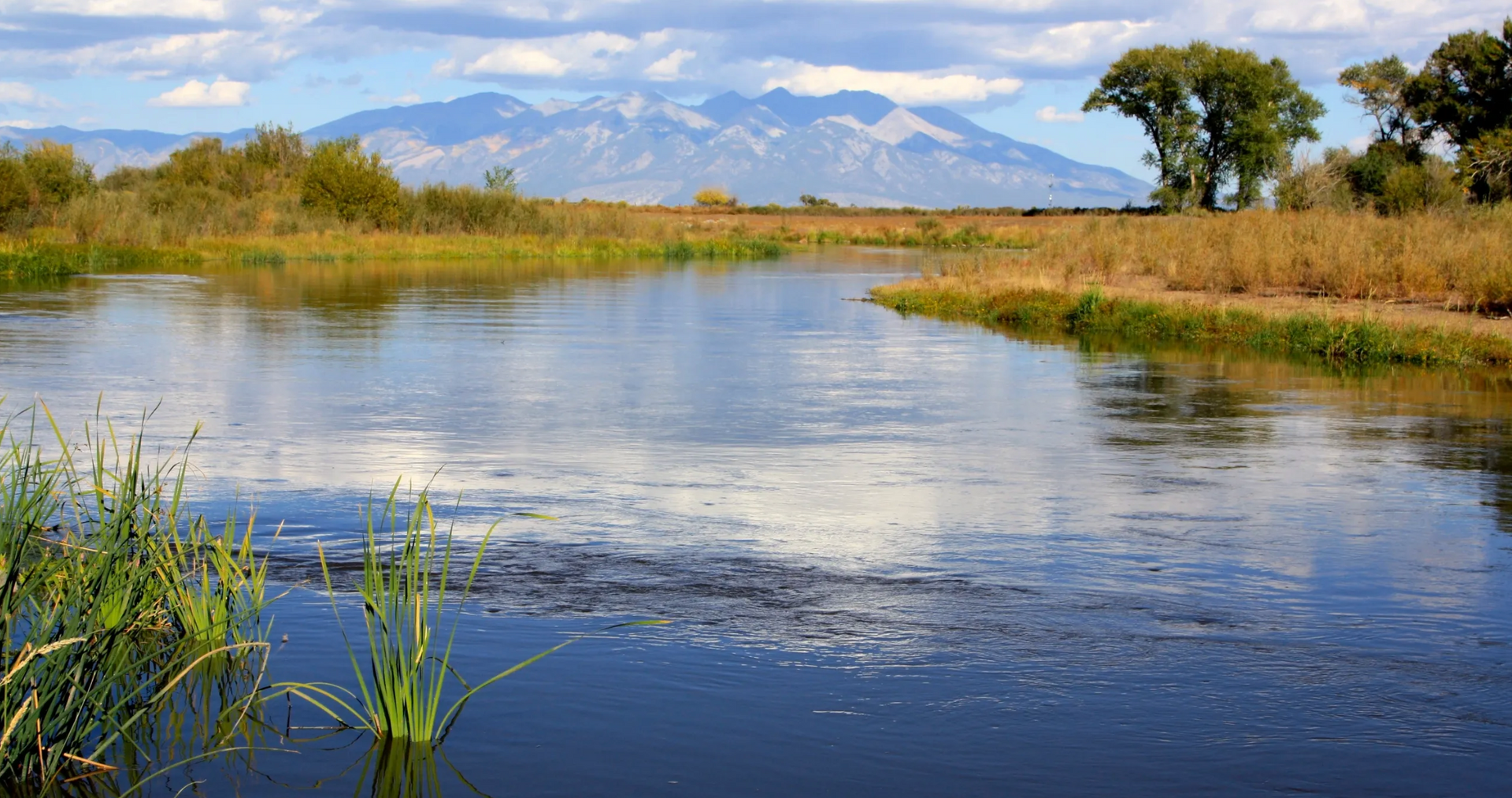
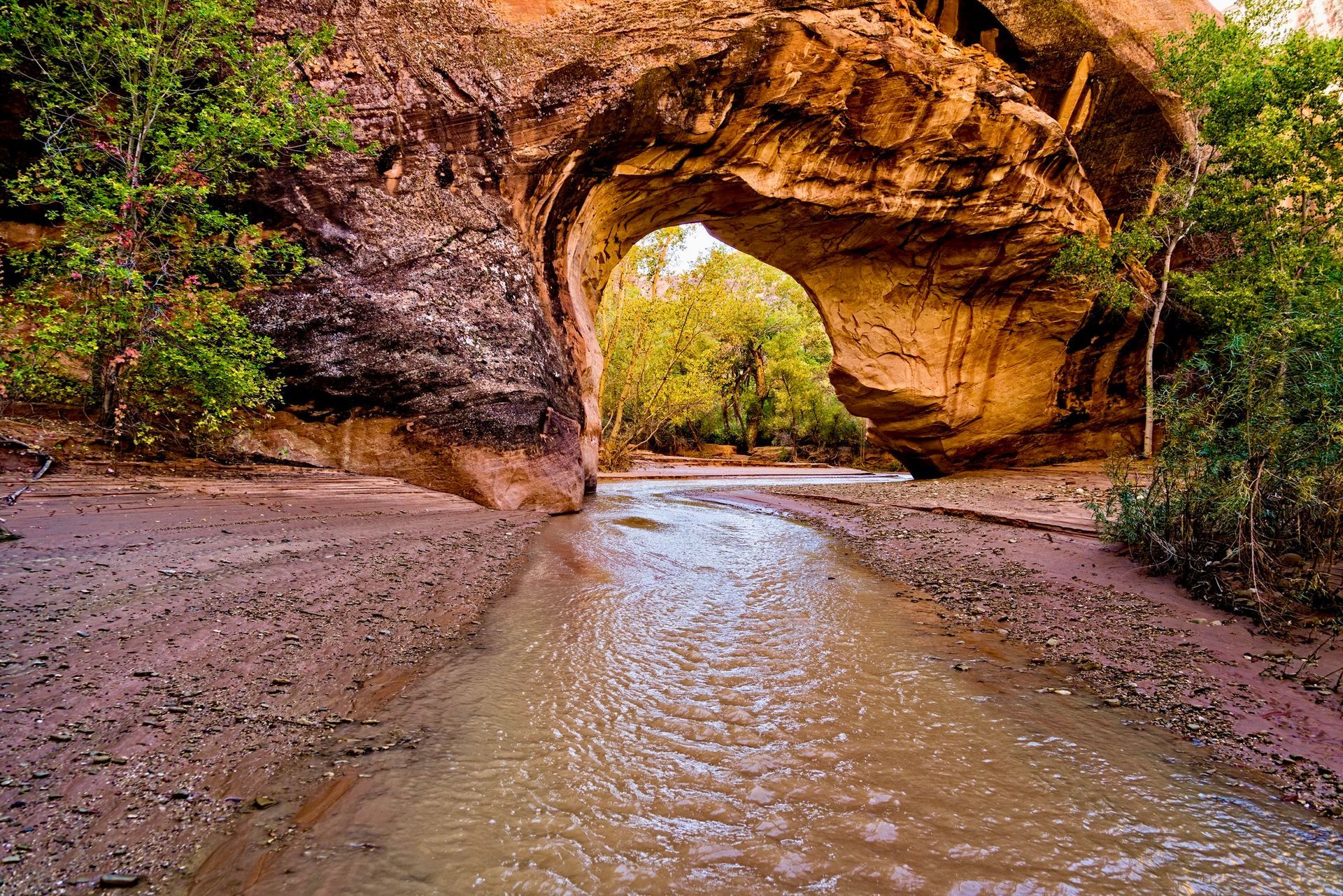
In southern Utah, life gathers where water flows.
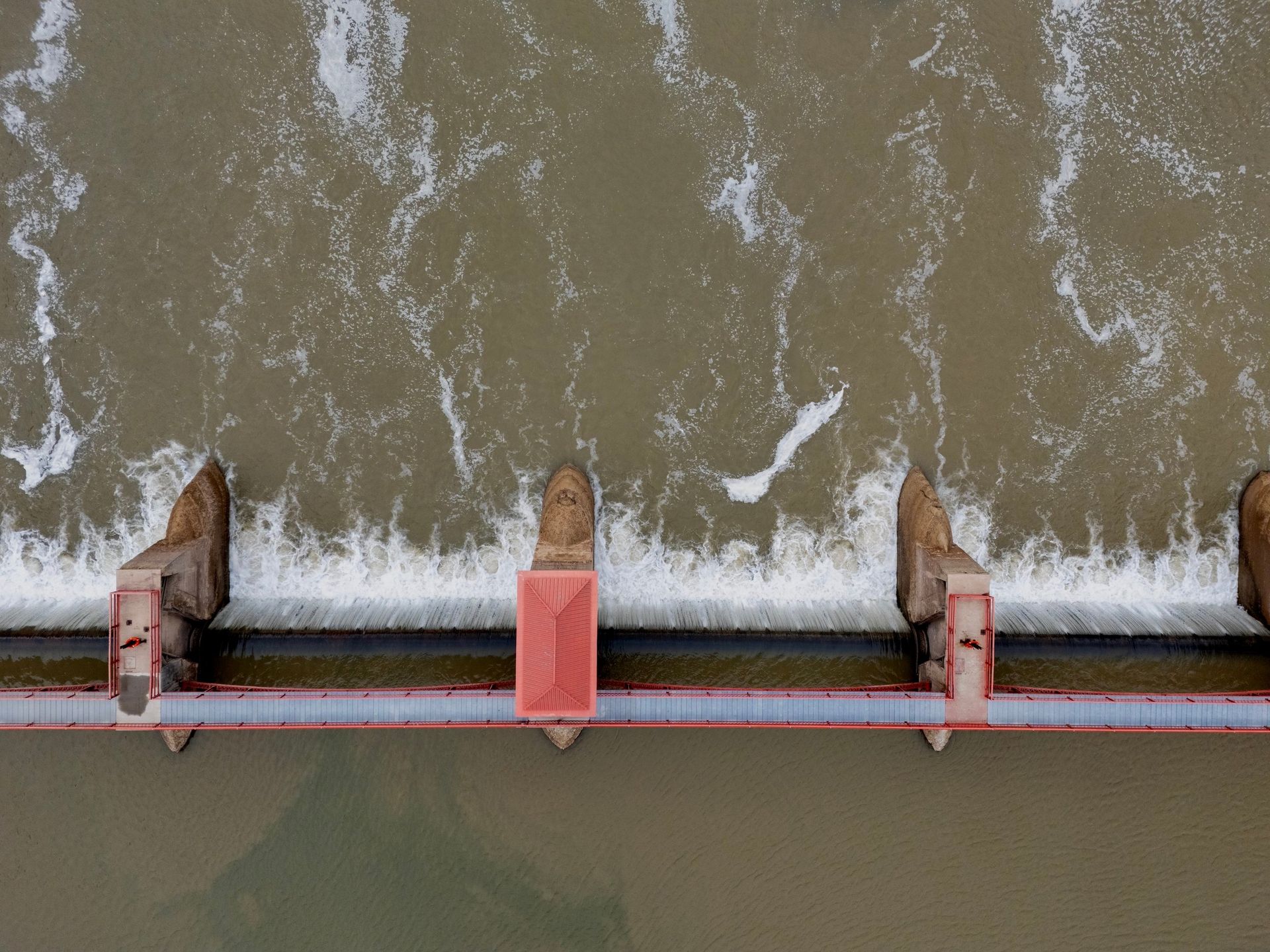
The Colorado River Basin touches millions of lives, yet few people understand just how connected we are to its future.
Every stream tells the story of the landscape around it. Some tell stories of abundance. Others tell stories of change.
No river flows in isolation. From the smallest tributary to the powerful sweep of the Colorado River, every waterway is part of a complex and deeply connected system shared not only by wildlife, but also the farmers, ranchers, recreationists and communities who rely on them for drinking water, food, serenity and livelihood. That’s why Forever Our Rivers supports the Little Salt Film project. The Little Salt film explores the tangled threads of the Colorado River. The film begins with three amateur adventurers attempting to kayak a tiny tributary in Fruita, Colorado. But what starts as a backyard paddle quickly transforms into an unexpected exploration of the questions that shape water in the West: Where does our water come from? Who decides what happens to it? And what does the future hold?
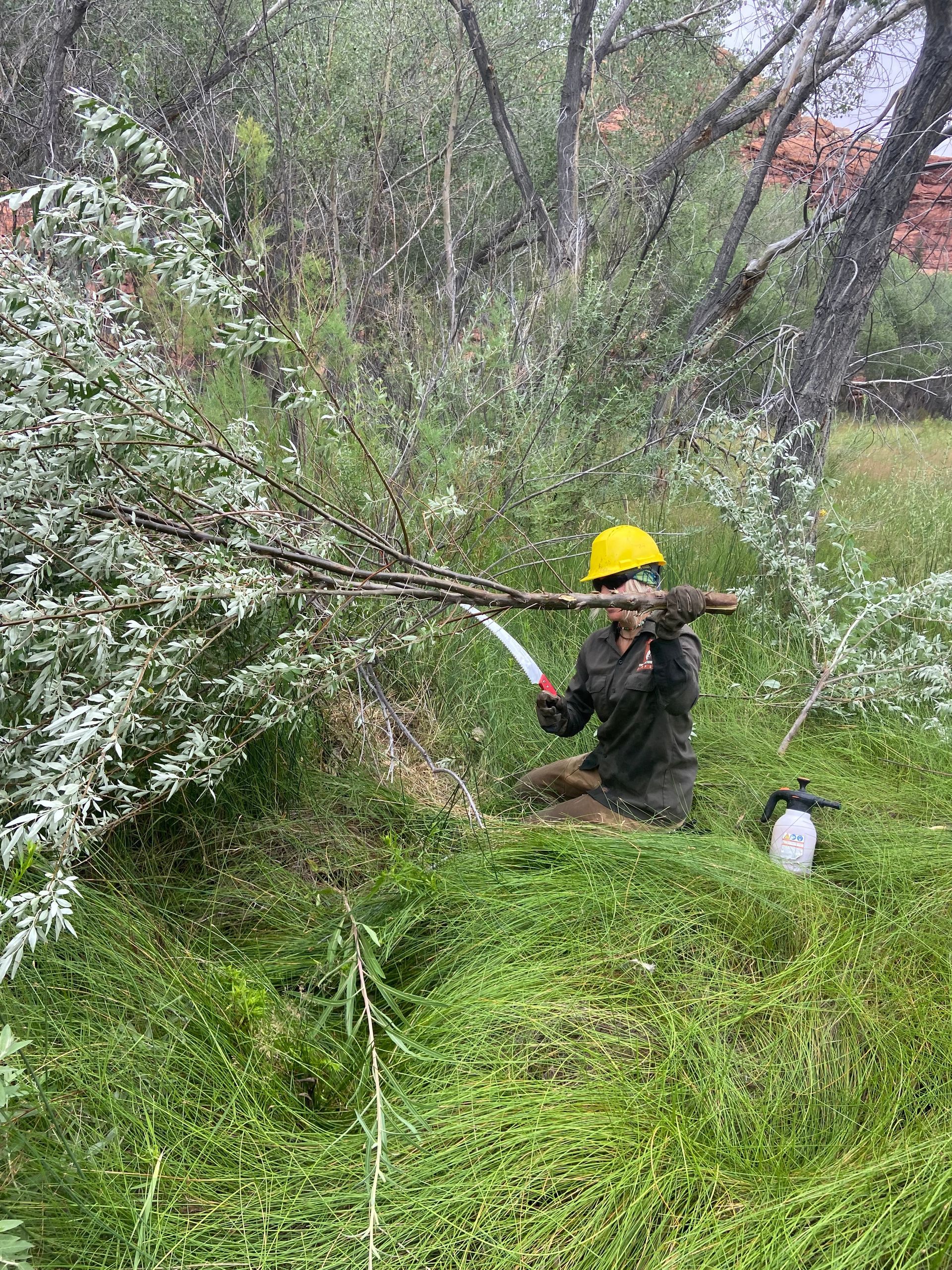
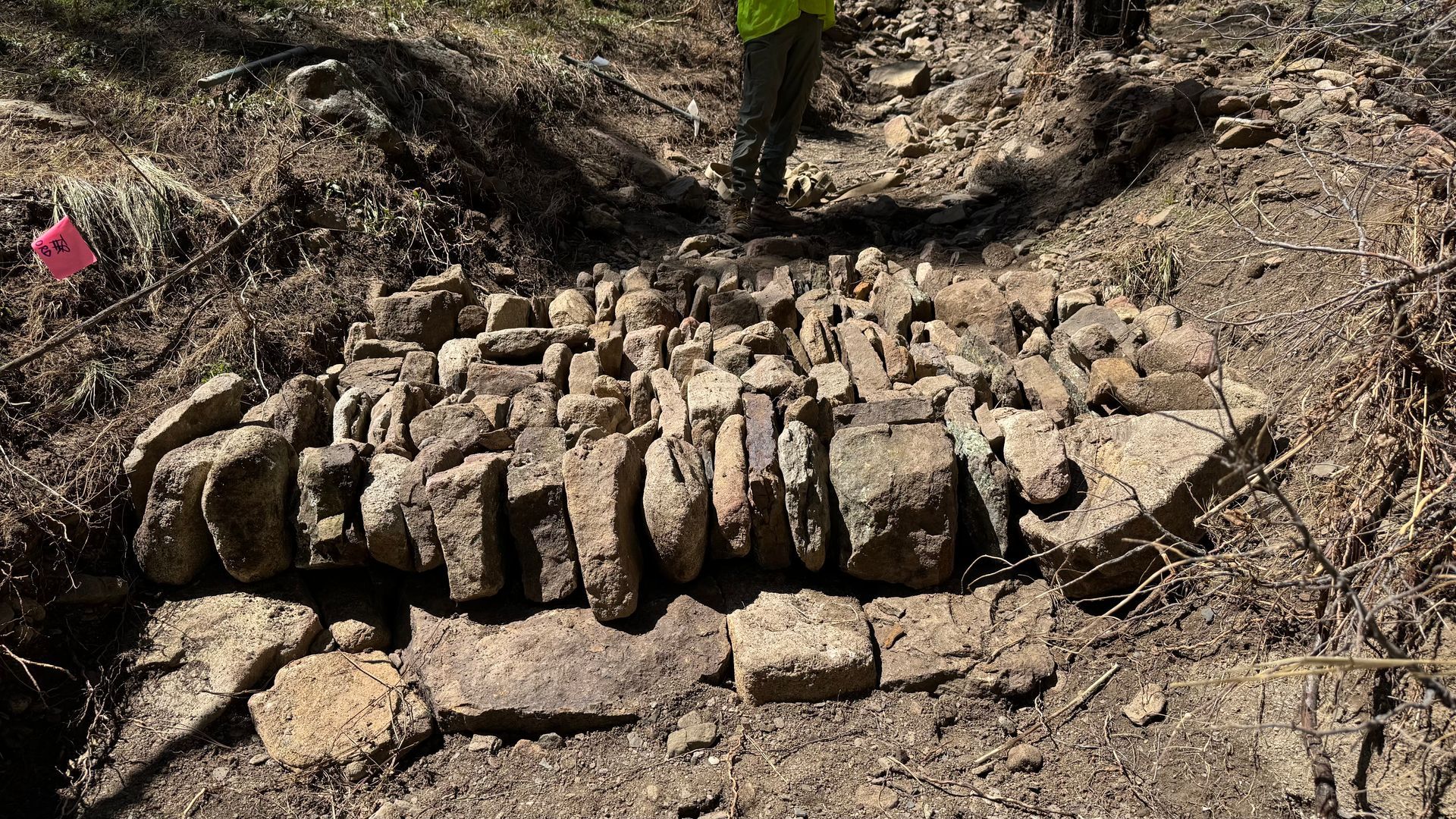
For more than 16 years, Grand Staircase Escalante Partners has been leading a restoration effort both ambitious in scale and vision. Working across 1.9 million acres of rugged terrain in Utah, the Partners collaborate with landowners, federal agencies, youth corps crews, scientists and nonprofits like Forever Our Rivers to remove tight, crowded thickets of invasive species that alter the rivers natural flow and narrow its channels, making access for both wildlife and recreationists difficult. For these teams of river champions, the work is as hot and physically demanding as it is scientifically valuable. They trek into backcountry reaches of the Escalante to survey vegetation plots, documenting plant composition and canopy structure. Their findings help reveal how native communities recover after invasive species are removed, and identify which areas may need additional restoration attention.
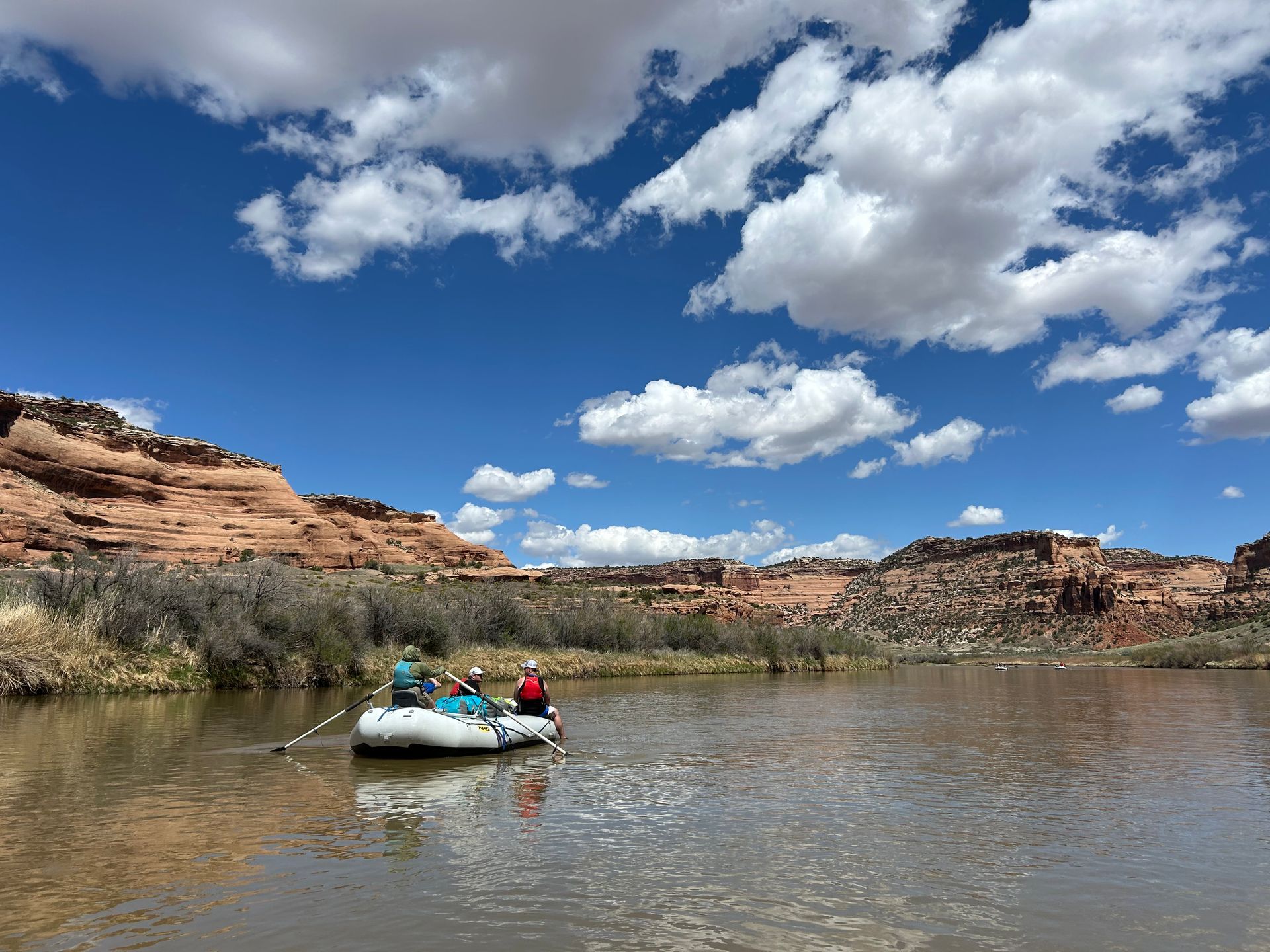
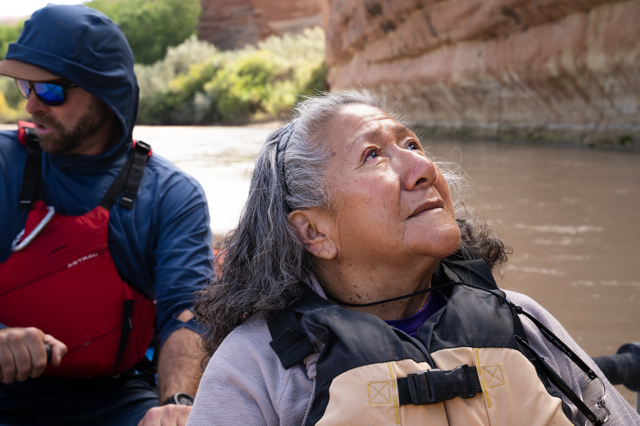
For many, while rivers and streams may be nearby, they can feel out of reach. Thankfully, Colorado Canyons Association is here to change that. As the primary friends group of three national conservation areas on Colorado’s Western Slope, Colorado Canyons Association brings positive change to communities by offering unique, place-based “learn by doing” adventures for both youth and adults. Colorado Canyons Association’s staff of river guides, educators, and volunteers deliver reduced and cost-free environmental education curriculum centered on river ecosystems and land conservation. Every participant, regardless of income, can safely experience the joy and wonder of a full day of boating on the Gunnison River. And the adventures include more than recreation. For many it is their first time on a boat, seeing a bald eagle up close. Others improve their paddling skills, test water quality and examine fragile riparian habitats. All deepen their understanding of our dependence on rivers and how they provide homes for wildlife, nourish our farms and ranches, and protect our way of life.