
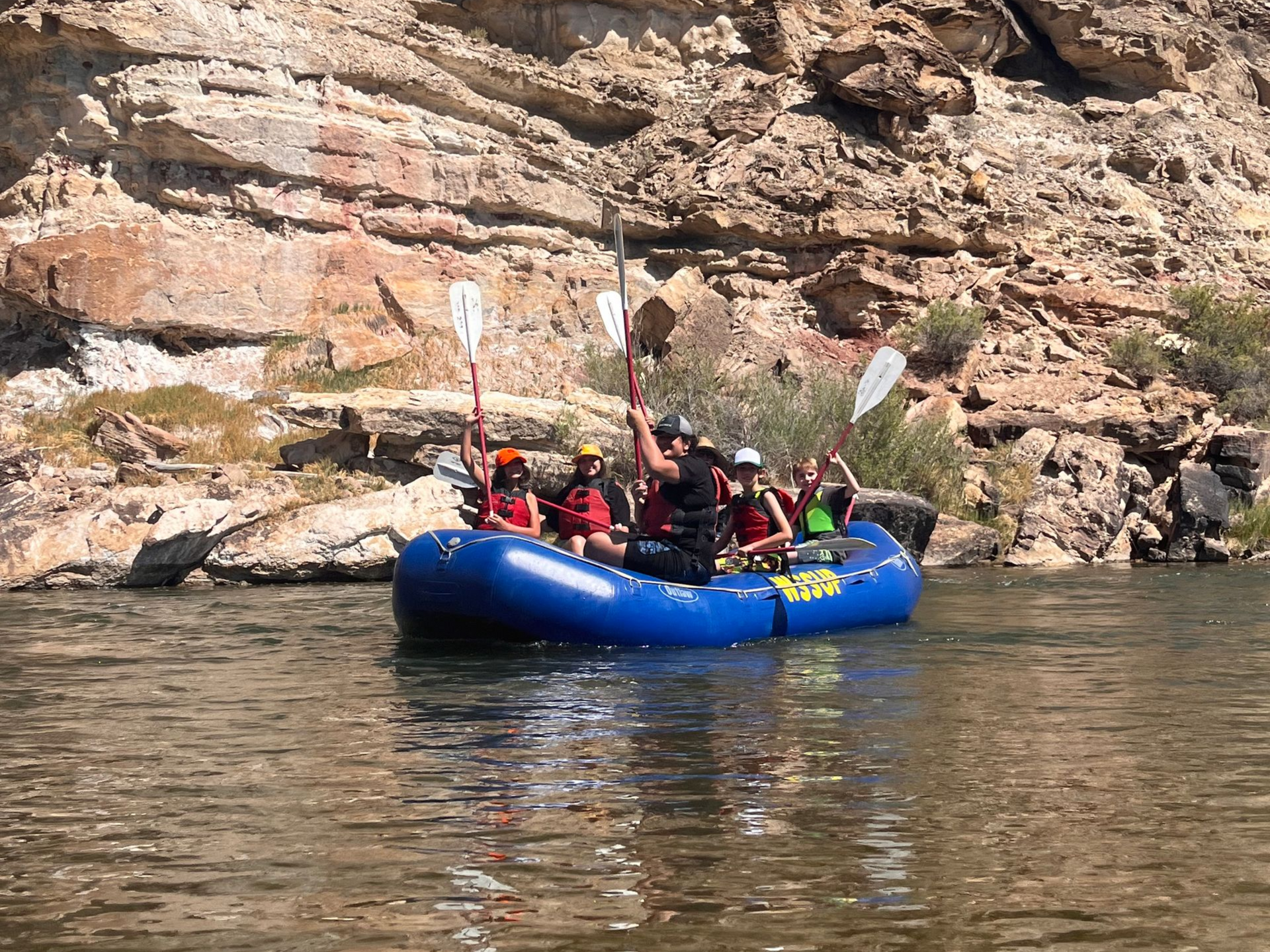
As David Attenborough, renowned natural historian, broadcaster and narrator of Planet Earth, famously said, “If children don't grow up knowing about nature and appreciating it, they will not understand it, and if they don't understand it, they won't protect it.” For many of us who dedicate our time to protecting and caring for the natural world, this sentiment hits close to home. A love for nature often begins with experience: exploring a river, spotting wildlife or discovering where the water flowing through our communities begins. These moments can shape how we see the world and inspire a lifelong desire to protect it. A river can flow just miles from home and still feel out of reach. For some youth in Western Colorado, the cost of transportation, outdoor equipment and organized activities, along with language barriers, can make it difficult to explore the waterways that sustain their communities. Friends of Youth and Nature's (FOYAN) Youth River Stewards project sets out to break down that barrier by giving young people opportunities to explore local waterways, learn where their water comes from and experience the outdoors firsthand, building a lasting connection to the natural world. Forever Our Rivers is proud to support this work because protecting healthy rivers doesn't mean just restoring rivers; it means investing in the people who will care for them years down the road.
Forever Our Rivers has joined 1% for the Planet as an Impact Partner. Learn more about the organization and what that means for our impact.
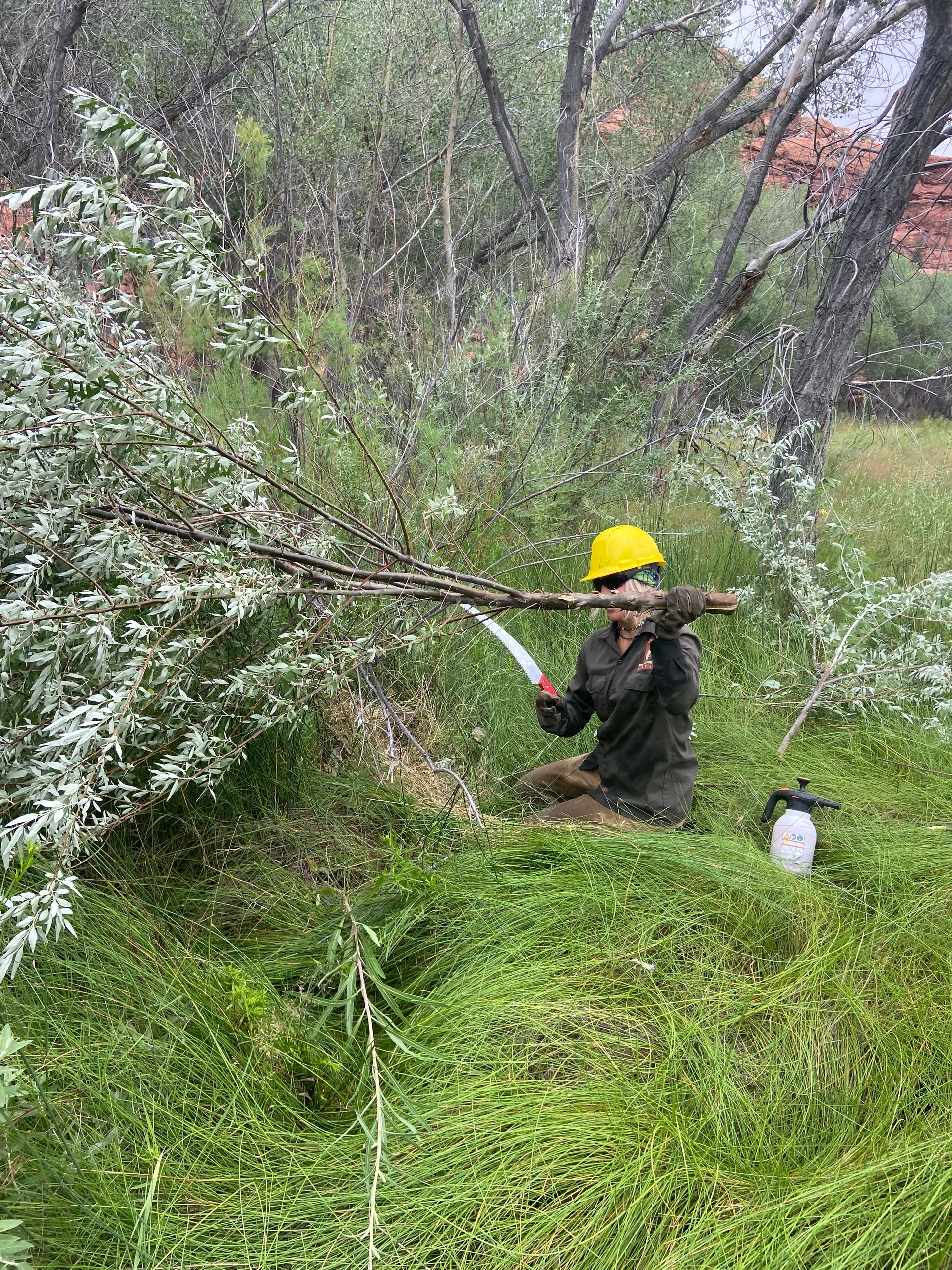
Discover how invasive Russian olive trees threaten Utah’s Escalante River and how restoration efforts are bringing back native plants, wildlife habitat and a healthier watershed.
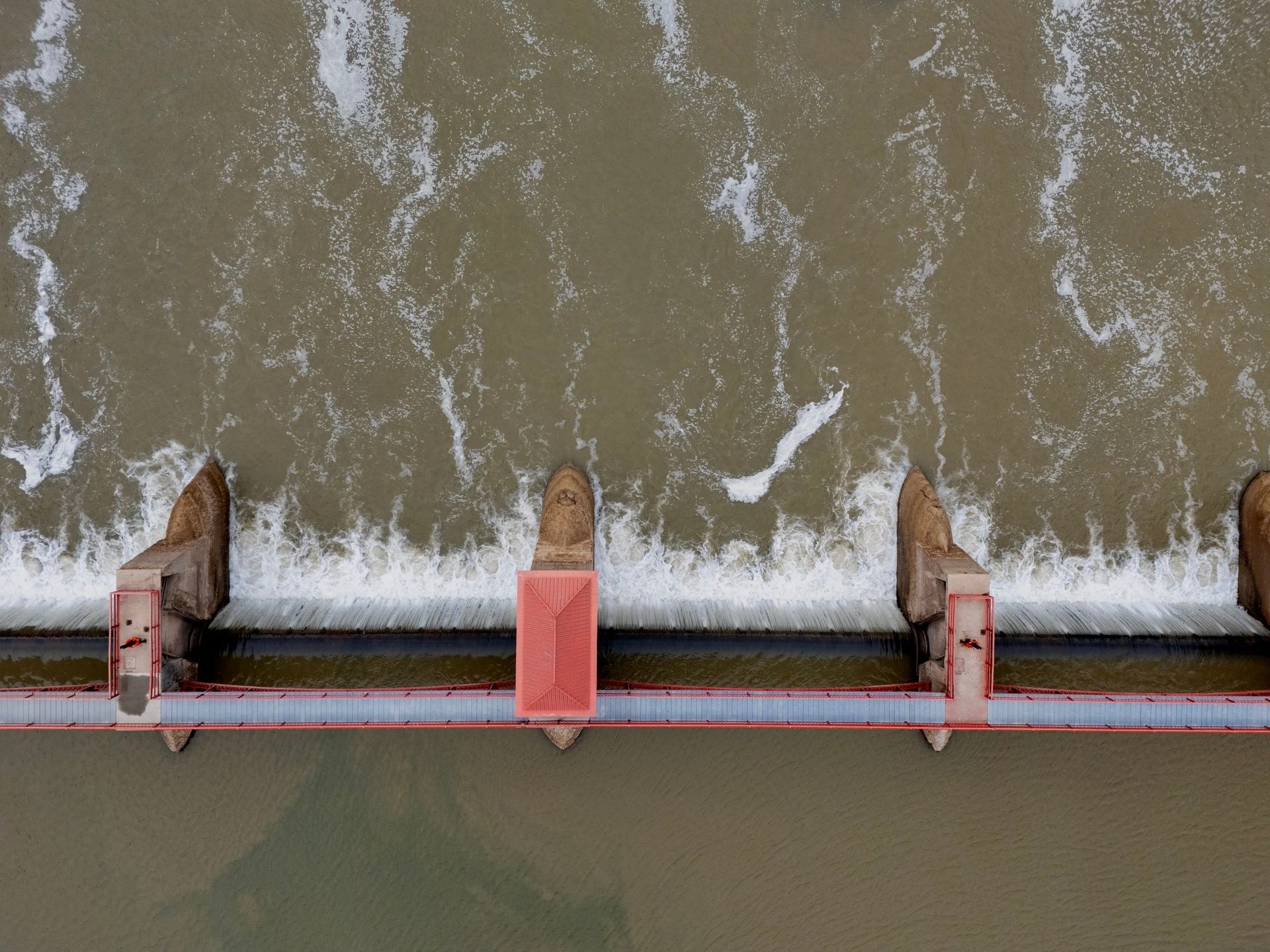
The Colorado River Basin touches millions of lives, yet few people understand just how connected we are to its future.
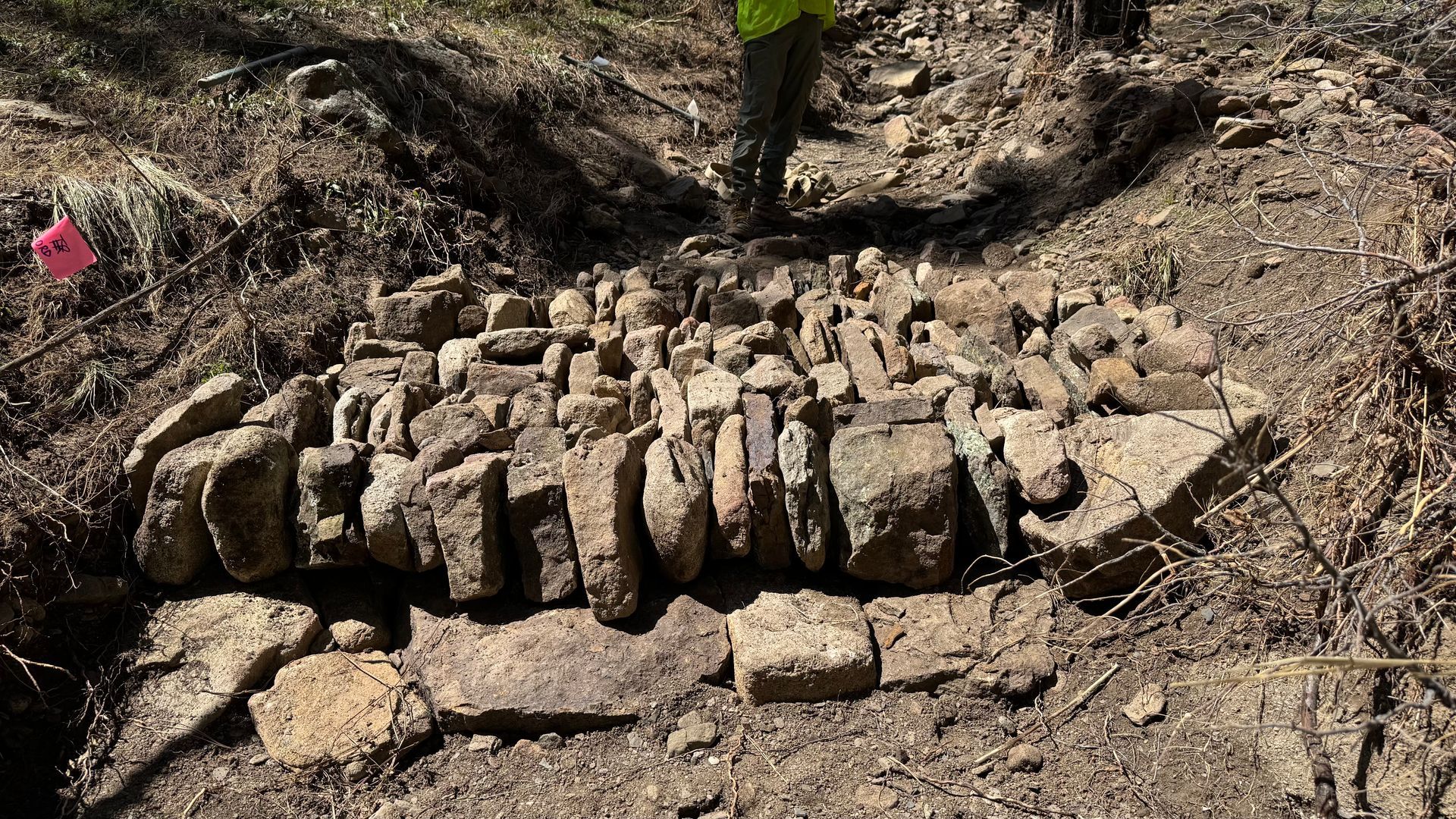
Every stream tells the story of the landscape around it. Some tell stories of abundance. Others tell stories of change.
No river flows in isolation. From the smallest tributary to the powerful sweep of the Colorado River, every waterway is part of a complex and deeply connected system shared not only by wildlife, but also the farmers, ranchers, recreationists and communities who rely on them for drinking water, food, serenity and livelihood. That’s why Forever Our Rivers supports the Little Salt Film project. The Little Salt film explores the tangled threads of the Colorado River. The film begins with three amateur adventurers attempting to kayak a tiny tributary in Fruita, Colorado. But what starts as a backyard paddle quickly transforms into an unexpected exploration of the questions that shape water in the West: Where does our water come from? Who decides what happens to it? And what does the future hold?
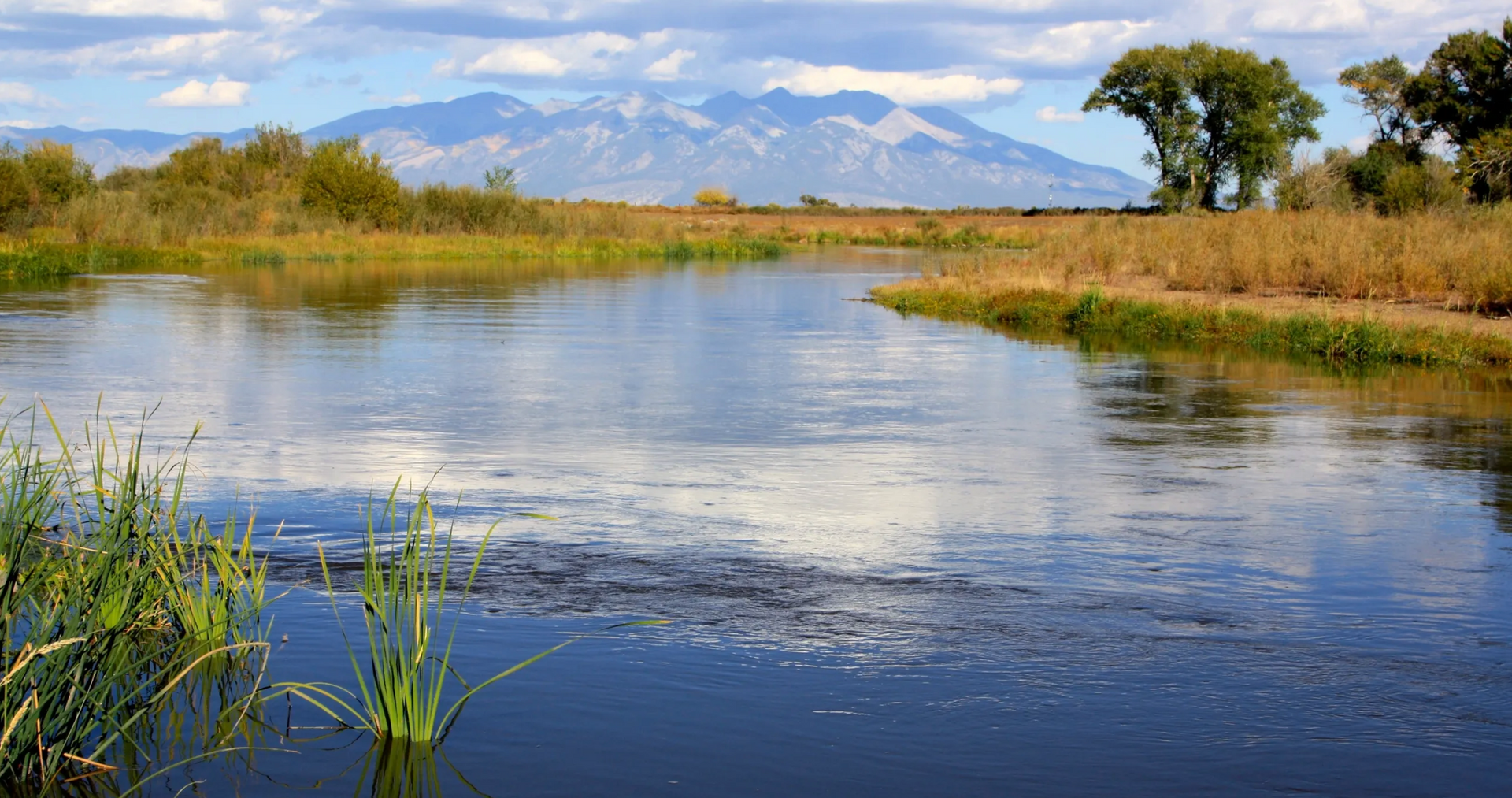
Climate resiliency for an arid Southern Colorado landscape. Surrounded by the stunning 14,000-foot snow-capped peaks of the San Juan mountains, the San Luis Valley is a place of captivating natural beauty. At an elevation of 7,500 feet above sea level, it is the largest alpine valley in the world and the source of the Rio Grande River. As the mountains’ snow-melt flows to the valley floor, clear, icy waters feed rivers and streams, many of which have been designated as Gold Medal habitat for brown and rainbow trout. Wetlands Act as a Sponge, Slowing and Spreading Fresh Water The U.S. Fish and Wildlife Service manages three separate wildlife refuges in the San Luis Valley, encompassing over 100,000 acres of wetlands which serve as prime habitat for a huge variety of fish, mammals and birds. Elk, deer, porcupines and beavers thrive where these wetlands naturally filter and distribute water. Migratory birds like the Sandhill crane depend on these lands to provide the food and shelter needed to sustain their voyages north in the spring and south in the fall. The San Luis Valley is also home to many people, some of whom have farmed or ranched the valley for generations, growing renowned and high-quality hay, potatoes, quinoa and spinach. This High Alpine Desert Gets Less than 7 Inches of Annual Rainfall a Year Restoring streams and wetlands and rehabilitating water infrastructure across the Rio Grande watershed grows more urgent every year as multi-year drought shrinks annual snowpack and farmers and ranchers face hotter and drier conditions. In this arid landscape, crops are reliant on melting snow to feed the Rio Grande and all its connected aquifers, wetlands and streams. Farmers and ranchers rely on functional ditch infrastructure to deliver water to cropland. Aging and inefficient ditch equipment makes it challenging for ag producers to meet local water conservation goals. It’s Time to Act That’s why Forever Our Rivers partnered with the Rio Grande Headwaters Restoration Project to aid the Conejos River, the largest tributary to the Rio Grande in Colorado. They work locally with ditch water users, landowners, the Conejos Water Conservancy District, Colorado Parks and Wildlife and the Colorado Division of Water resources.
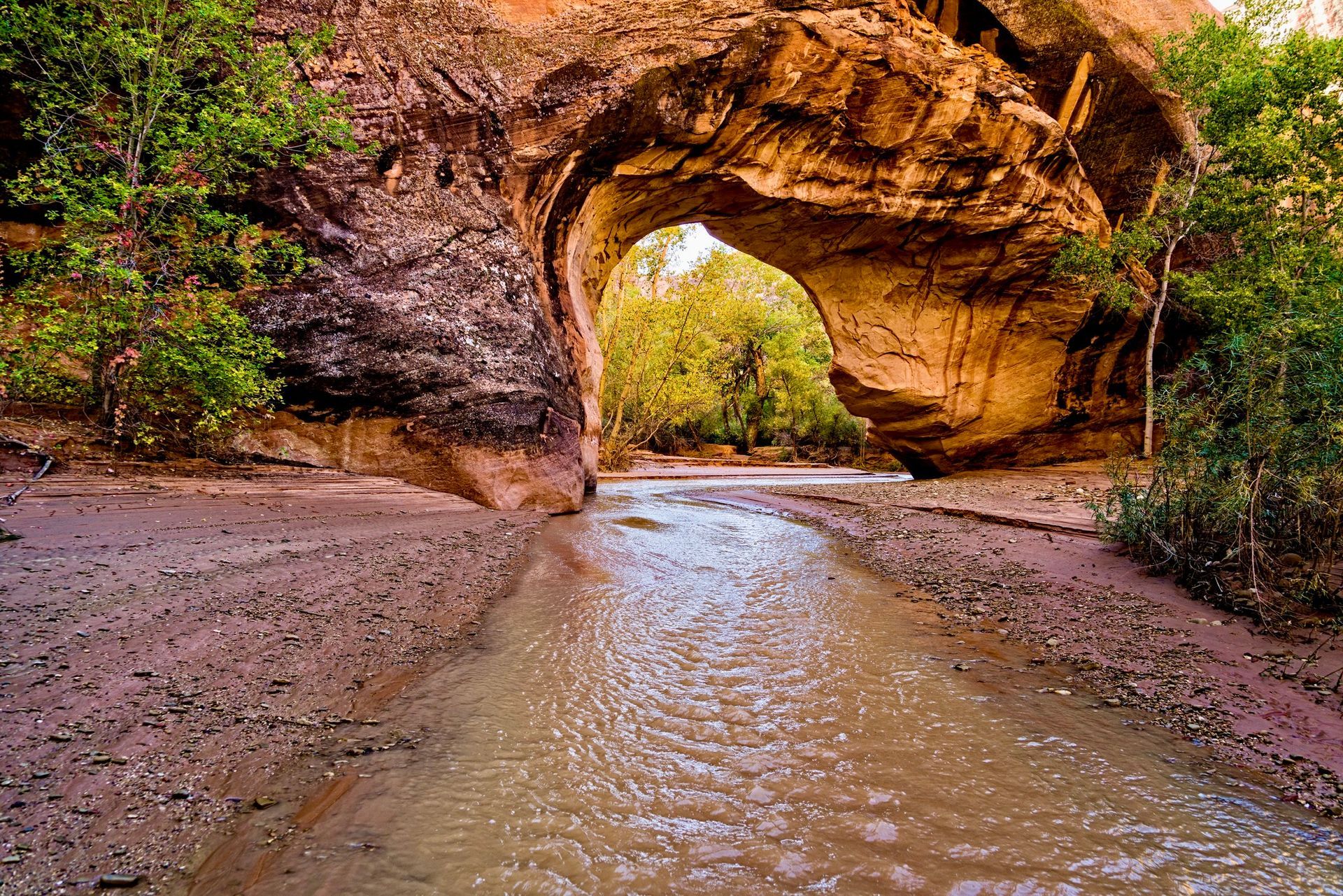
For more than 16 years, Grand Staircase Escalante Partners has been leading a restoration effort both ambitious in scale and vision. Working across 1.9 million acres of rugged terrain in Utah, the Partners collaborate with landowners, federal agencies, youth corps crews, scientists and nonprofits like Forever Our Rivers to remove tight, crowded thickets of invasive species that alter the rivers natural flow and narrow its channels, making access for both wildlife and recreationists difficult. For these teams of river champions, the work is as hot and physically demanding as it is scientifically valuable. They trek into backcountry reaches of the Escalante to survey vegetation plots, documenting plant composition and canopy structure. Their findings help reveal how native communities recover after invasive species are removed, and identify which areas may need additional restoration attention.
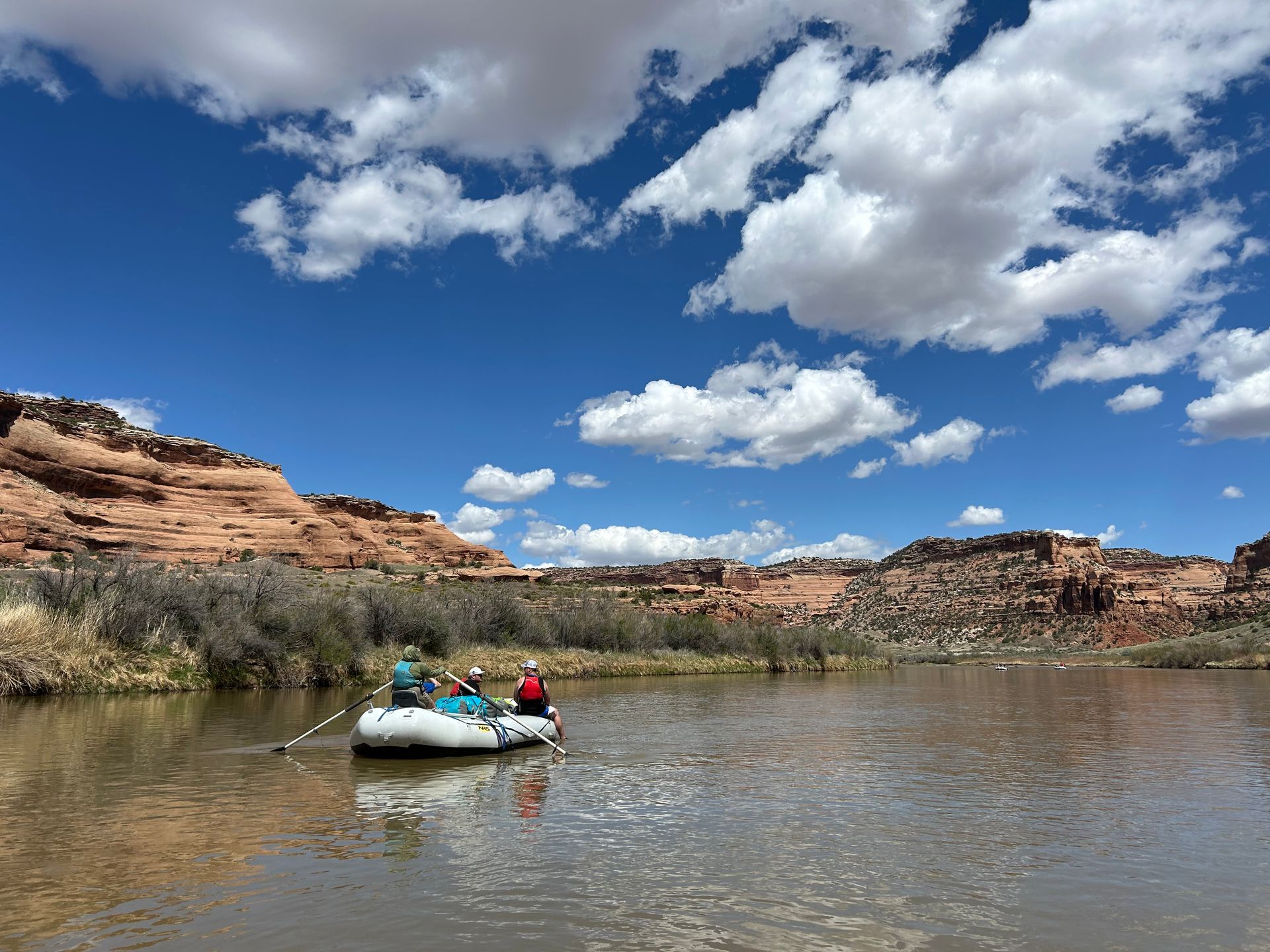
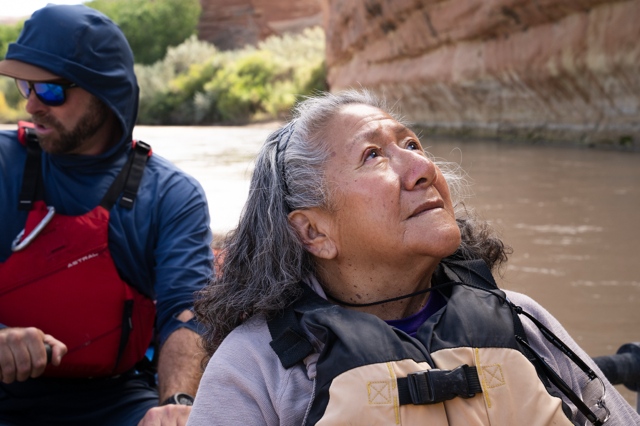
For many, while rivers and streams may be nearby, they can feel out of reach. Thankfully, Colorado Canyons Association is here to change that. As the primary friends group of three national conservation areas on Colorado’s Western Slope, Colorado Canyons Association brings positive change to communities by offering unique, place-based “learn by doing” adventures for both youth and adults. Colorado Canyons Association’s staff of river guides, educators, and volunteers deliver reduced and cost-free environmental education curriculum centered on river ecosystems and land conservation. Every participant, regardless of income, can safely experience the joy and wonder of a full day of boating on the Gunnison River. And the adventures include more than recreation. For many it is their first time on a boat, seeing a bald eagle up close. Others improve their paddling skills, test water quality and examine fragile riparian habitats. All deepen their understanding of our dependence on rivers and how they provide homes for wildlife, nourish our farms and ranches, and protect our way of life.