
Expanding Watershed Education on the Western Slope

November 9, 2026
Gunnison Conservation Projects

GRANT NAME: Expanding Watershed Education on the Western Slope


GRANTEE: Friends of Youth and Nature

LOCATION: Colorado


AMOUNT: $6,000

YEAR: 2026


As David Attenborough, renowned natural historian, broadcaster and narrator of Planet Earth, famously said, “If children don't grow up knowing about nature and appreciating it, they will not understand it, and if they don't understand it, they won't protect it.”


For many of us who dedicate our time to protecting and caring for the natural world, this sentiment hits close to home. A love for nature often begins with experience: exploring a river, spotting wildlife or discovering where the water flowing through our communities begins. These moments can shape how we see the world and inspire a lifelong desire to protect it.


A river can flow just miles from home and still feel out of reach. For some youth in Western Colorado, the cost of transportation, outdoor equipment and organized activities, along with language barriers, can make it difficult to explore the waterways that sustain their communities.


Friends of Youth and Nature's (FOYAN) Youth River Stewards project sets out to break down that barrier by giving young people opportunities to explore local waterways, learn where their water comes from and experience the outdoors firsthand, building a lasting connection to the natural world. Forever Our Rivers is proud to support this work because protecting healthy rivers doesn't mean just restoring rivers; it means investing in the people who will care for them years down the road.

Making Room for Everyone on the River

Western Colorado’s rivers are woven into everyday life. Snow accumulates on the Grand Mesa through winter, then melts in spring to feed the waterways that support farms, towns and wildlife. These same waters offer places to explore, opportunities to learn and provide a direct connection to the landscapes.


But not every young person has the same opportunity to experience them. Imagine if you'd never had that first core memory that connected you back to nature. For a child who has never been on a raft, caught a fish or visited the headwaters that help supply your drinking water, a single day can open up an entirely new perspective. It can turn an abstract classroom lesson into something tangible that makes a distant idea feel personal.


Helping young people understand where their water comes from, what healthy ecosystems need, how their communities depend on them, and how they can support them in the future can lay the foundation for a lifetime of stewardship.

Learning by Doing

FOYAN believes time in nature can change lives. As the hub for the Together for Resilient Youth (TRY) coalition, the organization connects approximately 3,000 young each year with conservation, river safety and environmental education across Western Colorado.


Through the Youth River Stewards project, that learning extends well beyond the classroom. Programs are hands-on, bilingual and free, helping remove barriers that might otherwise keep young people from participating.


In spring, youth explore aquatic invertebrates, try fishing and create fish-printing art at Earth Day celebrations.


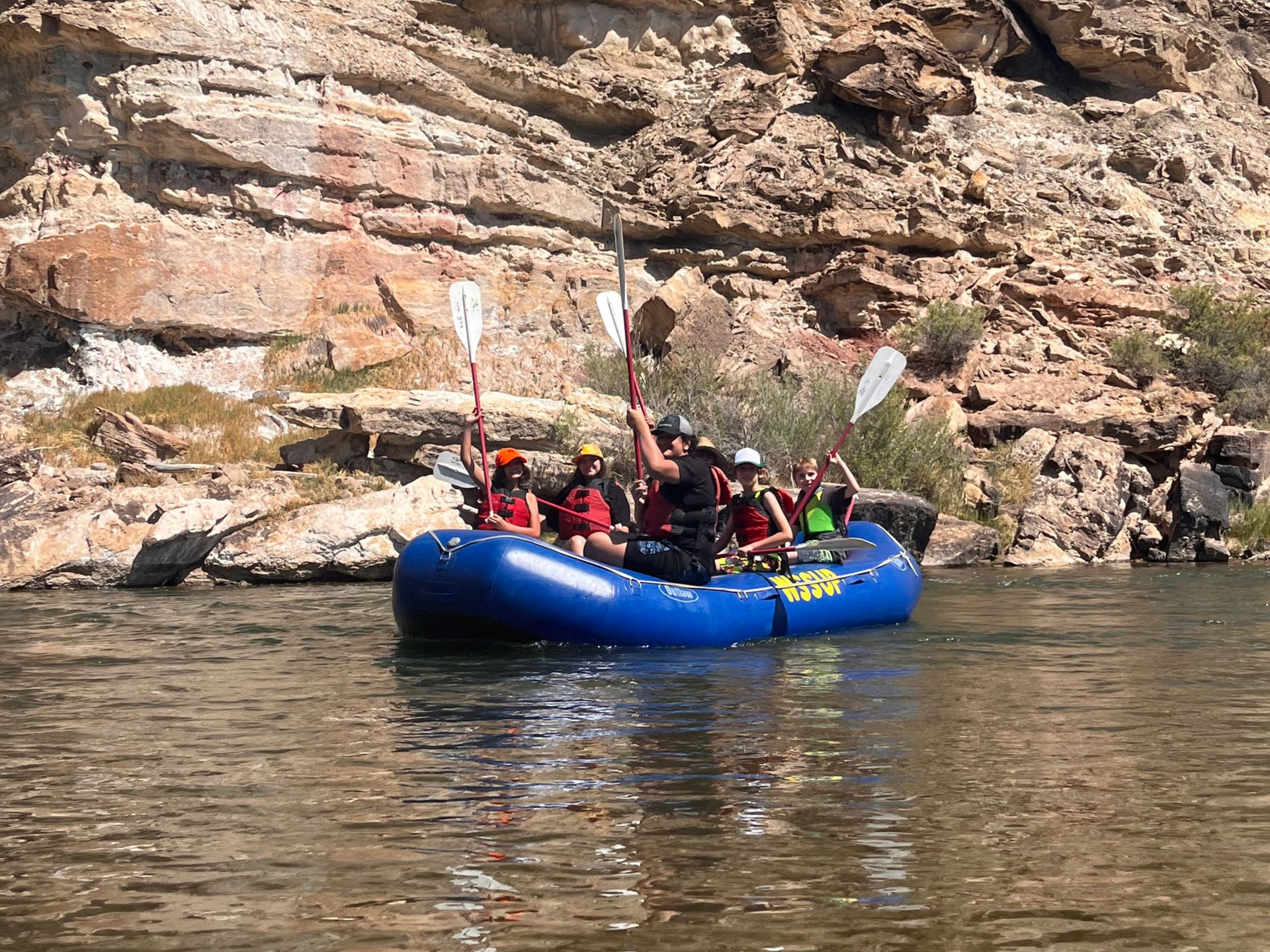
Summer brings opportunities to raft the Gunnison River, explore whitewater on the Uncompahgre and try stand-up paddleboarding at Sweitzer Lake and Ridgway Reservoir. TRY gatherings combine time outdoors with art, shared meals and conservation lessons, connecting environmental learning with community.


As fall arrives, rafting and paddleboarding continue on the Gunnison and Colorado rivers, alongside classroom lessons and regional watershed festivals.


Winter brings the story back to the mountains, where snowpack mapping and water-content lessons on the Grand Mesa help youth understand how winter snow becomes the water flowing through their communities in spring.


Across the seasons, these experiences help connect the dots between mountain snow, flowing water, wildlife and create lasting memories for the next generation.

Project Outcomes

At Forever Our Rivers, we believe that investing in our rivers means investing in the people who will care for them, and we are proud to support Friends of Youth and Nature. Together, we are removing barriers, cultivating environmental literacy, and empowering the next generation of river stewards across Western Colorado.


Through this project, we will:

  • Expand access to outdoor experiences: Provide free, fully funded and bilingual opportunities for young people to explore local rivers, lakes and watersheds, regardless of their family's income, transportation access or background.
  • Build lasting connections to nature: Give youth hands-on experiences like rafting, fishing, paddleboarding and wildlife observation that foster curiosity, appreciation and a lifelong connection to the outdoors.
  • Grow environmental knowledge: Connect classroom learning with real-world experiences, helping youth understand how snowpack, streams, rivers, wildlife and communities are connected.
  • Develop future river stewards: Help young people understand the challenges facing local watersheds and inspire them to take an active role in caring for the places they call home.
  • Strengthen community connections: Bring youth, families, educators and community organizations together through the Together for Resilient Youth coalition to create more inclusive opportunities for learning and outdoor recreation.


Make an impact on conservation.  Donate today ➔


Forever Our Rivers 1% for the Planet Impact Partner
October 12, 2026
Forever Our Rivers has joined 1% for the Planet as an Impact Partner. Learn more about the organization and what that means for our impact.
September 3, 2026
Discover how invasive Russian olive trees threaten Utah’s Escalante River and how restoration efforts are bringing back native plants, wildlife habitat and a healthier watershed.
Little Salt Film
August 17, 2026
The Colorado River Basin touches millions of lives, yet few people understand just how connected we are to its future.
July 14, 2026
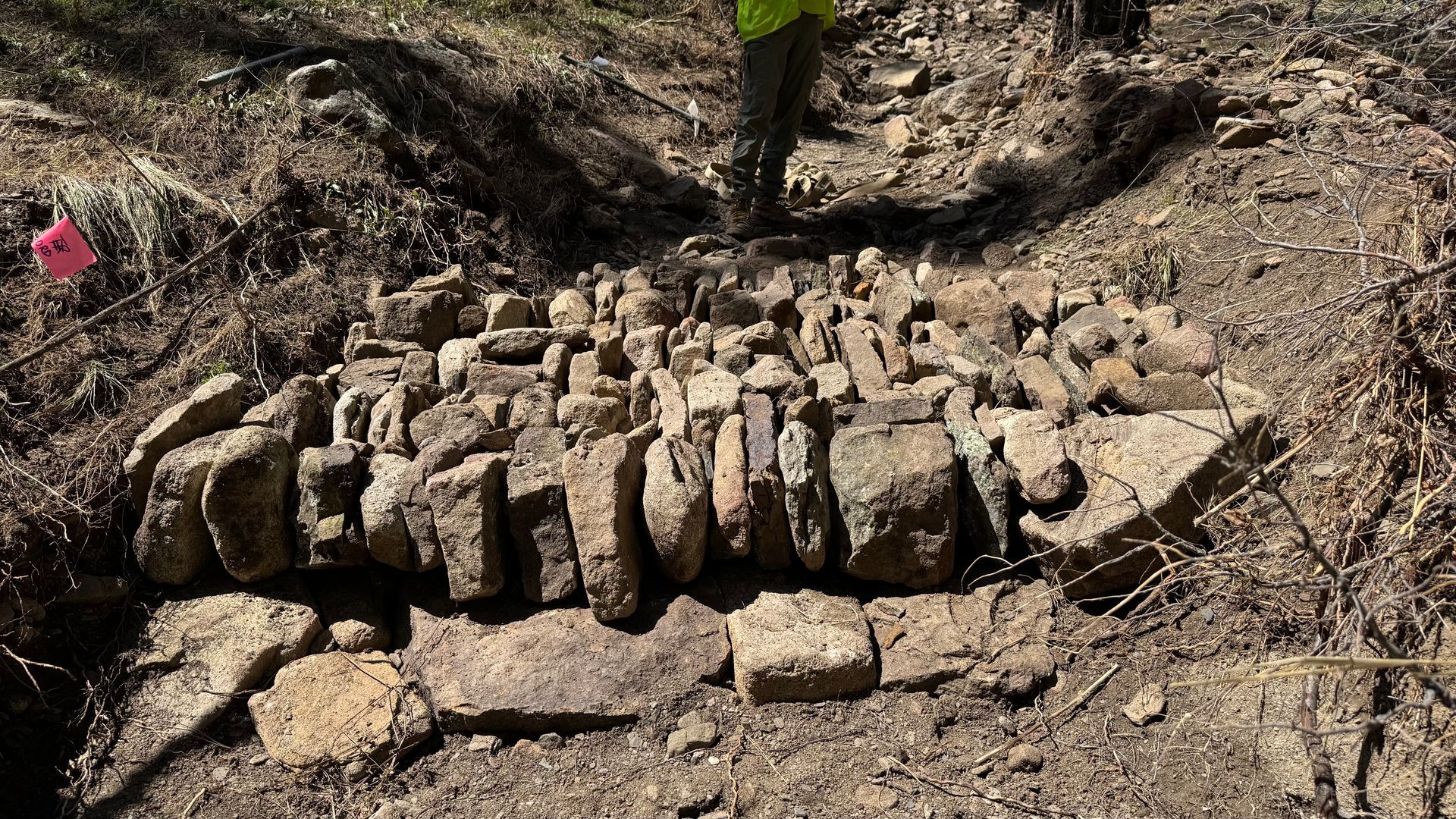
Every stream tells the story of the landscape around it. Some tell stories of abundance. Others tell stories of change.
June 11, 2026
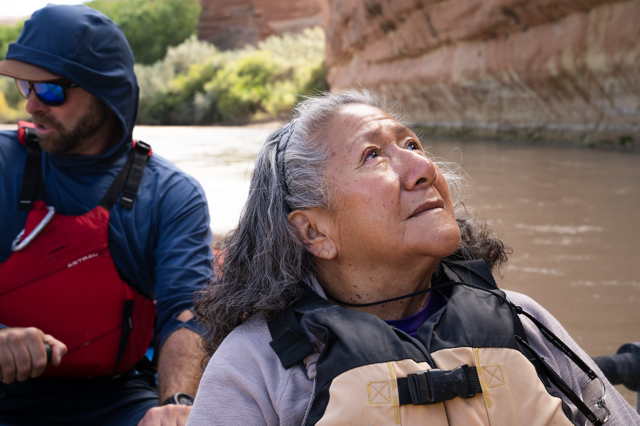
No river flows in isolation. From the smallest tributary to the powerful sweep of the Colorado River, every waterway is part of a complex and deeply connected system shared not only by wildlife, but also the farmers, ranchers, recreationists and communities who rely on them for drinking water, food, serenity and livelihood. That’s why Forever Our Rivers supports the Little Salt Film project. The Little Salt film explores the tangled threads of the Colorado River. The film begins with three amateur adventurers attempting to kayak a tiny tributary in Fruita, Colorado. But what starts as a backyard paddle quickly transforms into an unexpected exploration of the questions that shape water in the West: Where does our water come from? Who decides what happens to it? And what does the future hold?
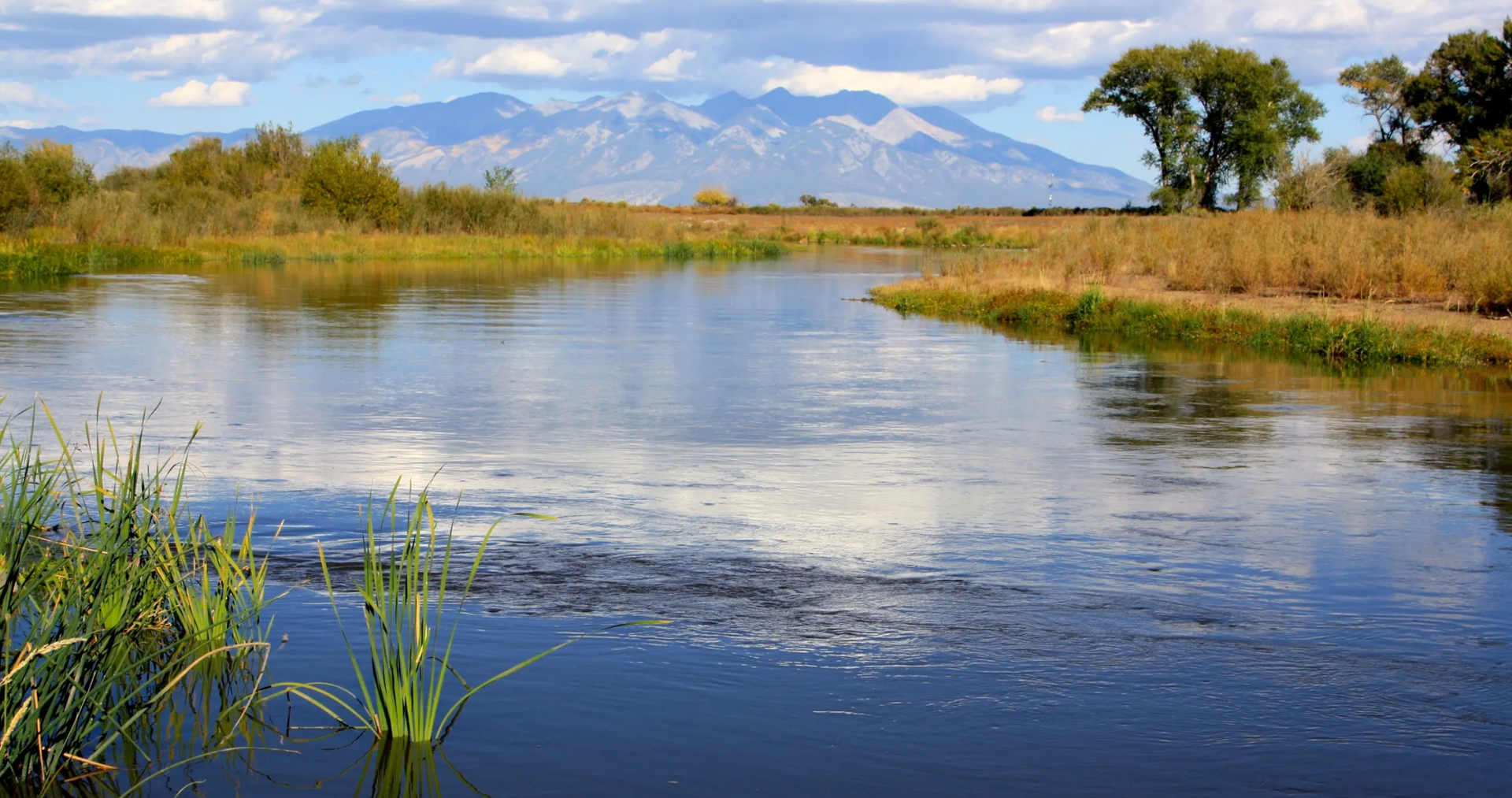
Rio Grande River with mountains in the background
May 1, 2026
Climate resiliency for an arid Southern Colorado landscape. Surrounded by the stunning 14,000-foot snow-capped peaks of the San Juan mountains, the San Luis Valley is a place of captivating natural beauty. At an elevation of 7,500 feet above sea level, it is the largest alpine valley in the world and the source of the Rio Grande River. As the mountains’ snow-melt flows to the valley floor, clear, icy waters feed rivers and streams, many of which have been designated as Gold Medal habitat for brown and rainbow trout. Wetlands Act as a Sponge, Slowing and Spreading Fresh Water The U.S. Fish and Wildlife Service manages three separate wildlife refuges in the San Luis Valley, encompassing over 100,000 acres of wetlands which serve as prime habitat for a huge variety of fish, mammals and birds. Elk, deer, porcupines and beavers thrive where these wetlands naturally filter and distribute water. Migratory birds like the Sandhill crane depend on these lands to provide the food and shelter needed to sustain their voyages north in the spring and south in the fall. The San Luis Valley is also home to many people, some of whom have farmed or ranched the valley for generations, growing renowned and high-quality hay, potatoes, quinoa and spinach. This High Alpine Desert Gets Less than 7 Inches of Annual Rainfall a Year Restoring streams and wetlands and rehabilitating water infrastructure across the Rio Grande watershed grows more urgent every year as multi-year drought shrinks annual snowpack and farmers and ranchers face hotter and drier conditions. In this arid landscape, crops are reliant on melting snow to feed the Rio Grande and all its connected aquifers, wetlands and streams. Farmers and ranchers rely on functional ditch infrastructure to deliver water to cropland. Aging and inefficient ditch equipment makes it challenging for ag producers to meet local water conservation goals. It’s Time to Act That’s why Forever Our Rivers partnered with the Rio Grande Headwaters Restoration Project to aid the Conejos River, the largest tributary to the Rio Grande in Colorado. They work locally with ditch water users, landowners, the Conejos Water Conservancy District, Colorado Parks and Wildlife and the Colorado Division of Water resources.