
Enhancing Access to the Colorado River

May 25, 2023

New Boat Ramp Offers Easy Access

With funding from Forever Our Rivers, a new boat ramp offers easy access to the Gunnison River in Colorado. For those who don’t know, nearly one-third of kids live in poverty on Colorado’s Western Slope. Usually, this cascades into a lack of time in nature and its life-enriching benefits, making our hearts sad. Thankfully, a new boat ramp will be a game-changer for the people of Delta, Montrose and Olathe. After all, the rivers are for all of us.


And for those skeptics worried that a new boat ramp might harm the environment, don’t worry! Native trees and shrubs were planted along the river banks, creating a beautiful new area ideal for leisurely walks, picnics, birding and a genuine connection with nature. Plus, local volunteers were entrusted with the responsibility of looking after this spot, giving them the knowledge of how to keep it in tip-top shape.


Bridging Gaps for Underserved Communities


The strategically located boat ramp project along G50 Road, just 3.5 miles from Delta’s town boat ramp, expands accessibility to new demographics. Prior to the installation of the new boat ramp, river users accessed the Gunnison River from the Confluence Park boat ramp in Delta. However, the next legal exit point downstream was a whopping 14 miles away. While this might sound like an adventurous day out for some, it could be overwhelming and unsafe for those with less river experience. The creation of a shorter float with official put-ins and take-outs now allows families and beginners to enjoy a safer river experience. And hopefully, as they experience and enjoy the river, they will fall in love with and care for it.


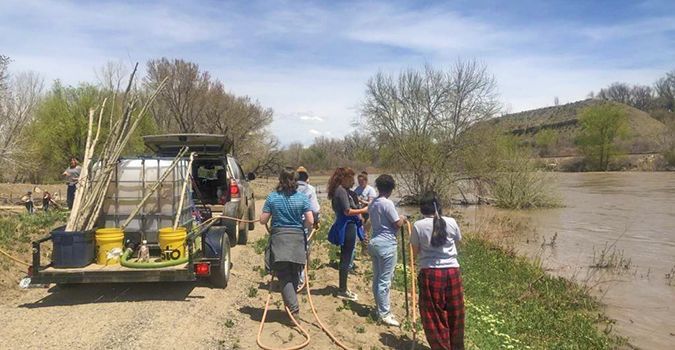
Not into floating? The improved access area is a great place for walks, lunches, reading, drawing or other outdoor activities you might enjoy along a river. This transformation is thanks to dozens of students from Paonia and Delta middle schools and community volunteers. They helped cultivate and plant cottonwood and plum trees, as well as alders and willows. As the new plants grow, it will become increasingly special for birdwatching. Which, by the way, is just as good for you mentally as being on the water! More volunteers are always welcome, so if you want to help the new cottonwood and willows survive, reach out to some key players in this project—Libby at Colorado West Land Trust (CWLT) or Jake at the Western Slope Conservation Center (WSCC). 


“The new G50 Boat Ramp project is a great example of generating greater recreation access to nature while enhancing wildlife habitat. We look forward to the collaboration of bringing more folks of all ages together to enjoy the river and help with restoring the native plants,” exclaims Libby, program manager at CWLT.


Collaboration Is Key


The property on which the picnic area and boat ramp are is owned by Delta County and protected with a conservation easement managed by CWLT. “Restoring riparian ecosystems is extremely important for sustaining rivers and wildlife in western Colorado. The G50 project provides an excellent opportunity to connect the community to the Gunnison River and help re-establish vital habitat”, said Jake. Knowing this land could do so much more for people and wildlife, WSCC, along with CWLT and the county, got to work.


A Lasting Impact


The G50 Boat Ramp and Habitat Improvement Project, fueled by funding from Forever Our Rivers, is sure to have a positive impact on the community. As more people come to know the Gunnison River, more people will learn to cherish it. How’s that for jump-starting some environmental love? We are so proud of these local organizations. They successfully demonstrated the power of collaboration, conservation and community. We definitely love that!


Delta County is planning a ribbon-cutting ceremony celebration this spring. While the date is yet to be determined, stay connected with these organizations—info below. Or contact Delta County if you’d like more details.


If you’re interested in supporting other projects like the G50 Boat Ramp, please give today.


Follow the Western Slope Conservation Center on Instagram and Facebook. Follow Colorado West Land Trust on social, too—Instagram and Facebook.

September 3, 2026
In southern Utah, life gathers where water flows.
Little Salt Film
August 17, 2026
The Colorado River Basin touches millions of lives, yet few people understand just how connected we are to its future.
July 14, 2026
Every stream tells the story of the landscape around it. Some tell stories of abundance. Others tell stories of change.
June 11, 2026
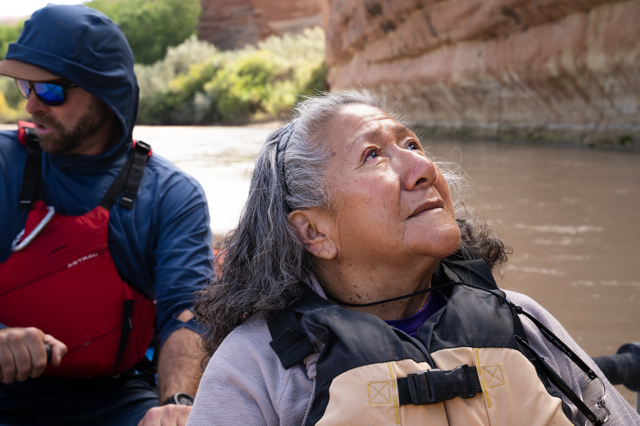
No river flows in isolation. From the smallest tributary to the powerful sweep of the Colorado River, every waterway is part of a complex and deeply connected system shared not only by wildlife, but also the farmers, ranchers, recreationists and communities who rely on them for drinking water, food, serenity and livelihood. That’s why Forever Our Rivers supports the Little Salt Film project. The Little Salt film explores the tangled threads of the Colorado River. The film begins with three amateur adventurers attempting to kayak a tiny tributary in Fruita, Colorado. But what starts as a backyard paddle quickly transforms into an unexpected exploration of the questions that shape water in the West: Where does our water come from? Who decides what happens to it? And what does the future hold?
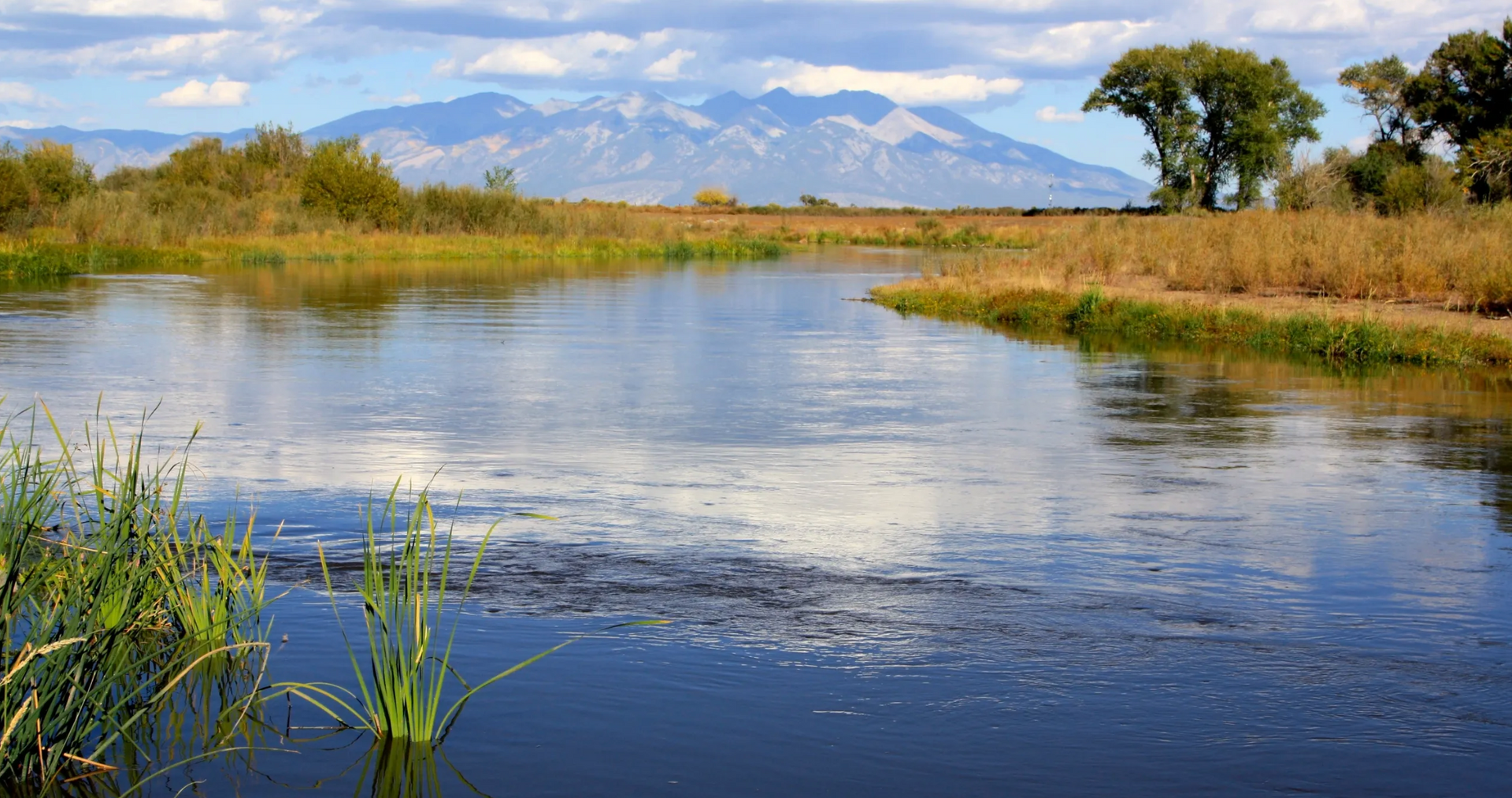
Rio Grande River with mountains in the background
May 1, 2026
Climate resiliency for an arid Southern Colorado landscape. Surrounded by the stunning 14,000-foot snow-capped peaks of the San Juan mountains, the San Luis Valley is a place of captivating natural beauty. At an elevation of 7,500 feet above sea level, it is the largest alpine valley in the world and the source of the Rio Grande River. As the mountains’ snow-melt flows to the valley floor, clear, icy waters feed rivers and streams, many of which have been designated as Gold Medal habitat for brown and rainbow trout. Wetlands Act as a Sponge, Slowing and Spreading Fresh Water The U.S. Fish and Wildlife Service manages three separate wildlife refuges in the San Luis Valley, encompassing over 100,000 acres of wetlands which serve as prime habitat for a huge variety of fish, mammals and birds. Elk, deer, porcupines and beavers thrive where these wetlands naturally filter and distribute water. Migratory birds like the Sandhill crane depend on these lands to provide the food and shelter needed to sustain their voyages north in the spring and south in the fall. The San Luis Valley is also home to many people, some of whom have farmed or ranched the valley for generations, growing renowned and high-quality hay, potatoes, quinoa and spinach. This High Alpine Desert Gets Less than 7 Inches of Annual Rainfall a Year Restoring streams and wetlands and rehabilitating water infrastructure across the Rio Grande watershed grows more urgent every year as multi-year drought shrinks annual snowpack and farmers and ranchers face hotter and drier conditions. In this arid landscape, crops are reliant on melting snow to feed the Rio Grande and all its connected aquifers, wetlands and streams. Farmers and ranchers rely on functional ditch infrastructure to deliver water to cropland. Aging and inefficient ditch equipment makes it challenging for ag producers to meet local water conservation goals. It’s Time to Act That’s why Forever Our Rivers partnered with the Rio Grande Headwaters Restoration Project to aid the Conejos River, the largest tributary to the Rio Grande in Colorado. They work locally with ditch water users, landowners, the Conejos Water Conservancy District, Colorado Parks and Wildlife and the Colorado Division of Water resources.
April 1, 2026
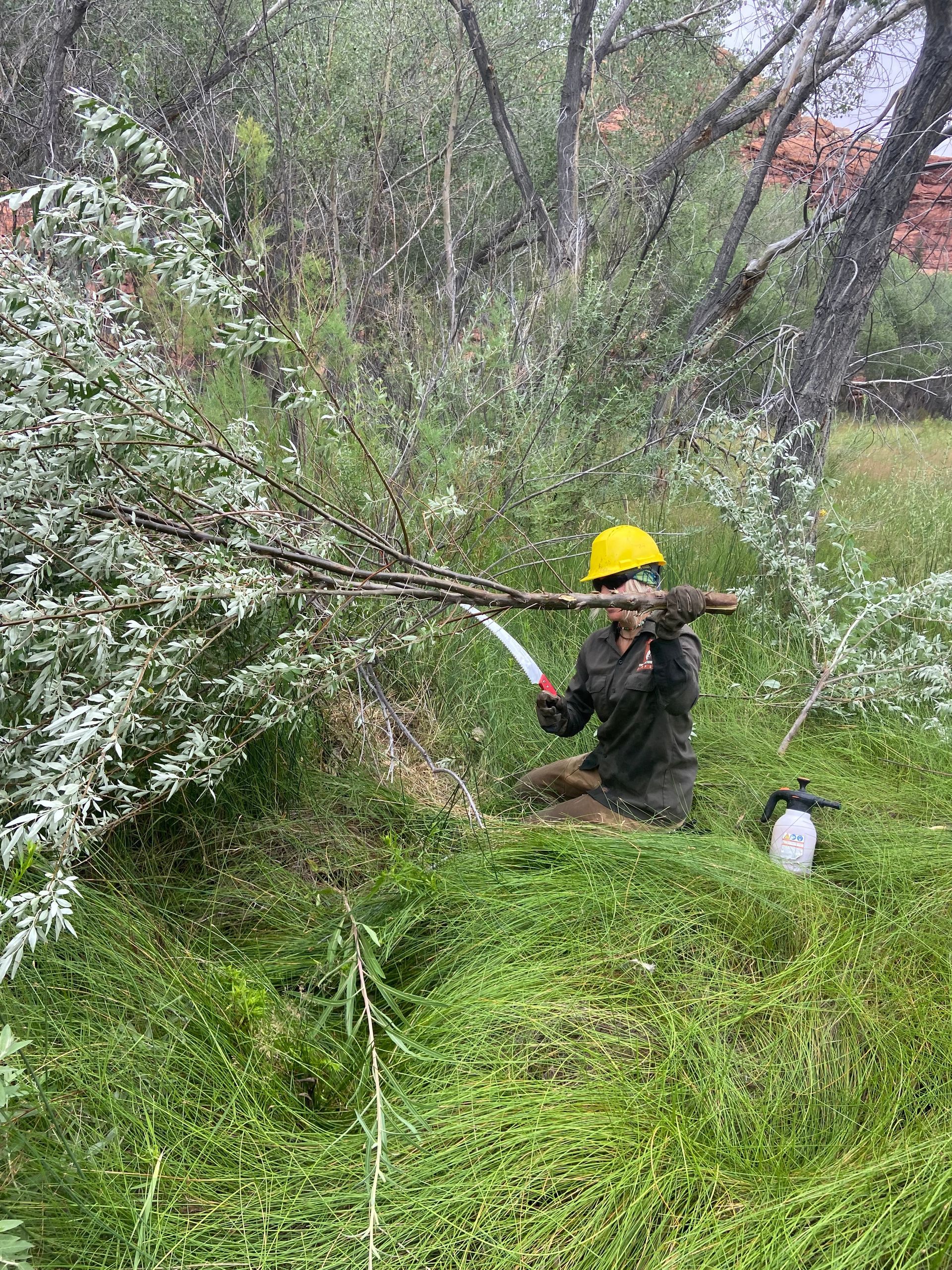
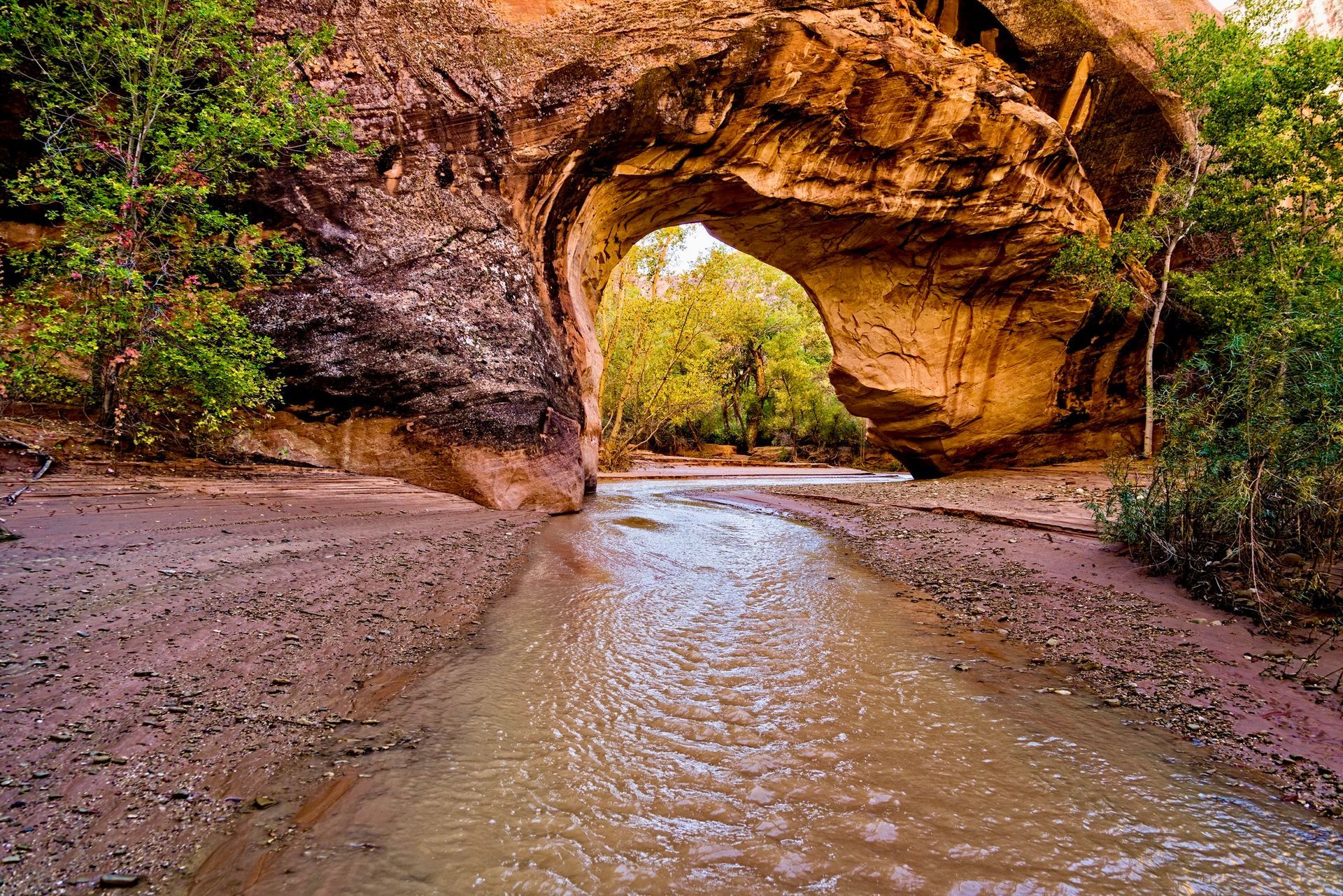
For more than 16 years, Grand Staircase Escalante Partners has been leading a restoration effort both ambitious in scale and vision. Working across 1.9 million acres of rugged terrain in Utah, the Partners collaborate with landowners, federal agencies, youth corps crews, scientists and nonprofits like Forever Our Rivers to remove tight, crowded thickets of invasive species that alter the rivers natural flow and narrow its channels, making access for both wildlife and recreationists difficult. For these teams of river champions, the work is as hot and physically demanding as it is scientifically valuable. They trek into backcountry reaches of the Escalante to survey vegetation plots, documenting plant composition and canopy structure. Their findings help reveal how native communities recover after invasive species are removed, and identify which areas may need additional restoration attention.