
Partner Spotlight: Grand Staircase Escalante Partners

December 18, 2025

Long-term, science-led restoration is helping the Escalante River recover its natural flow, habitat and resilience.


Southern Utah’s Escalante River and its quiet tributaries wind through sandstone canyons and cottonwood groves that hold far more life than the desert surroundings might suggest. These green corridors are essential habitat for native fish, migratory songbirds, pollinators and countless desert mammals. But for decades, one invasive tree—Russian olive—silently transformed the watershed. Tight thickets crowded out native vegetation, narrowed channels and altered the river’s natural flow.


For more than 16 years, Grand Staircase Escalante Partners has been leading a restoration effort ambitious in both scale and vision. Working across 1.9 million acres of rugged terrain, the team collaborates with landowners, federal agencies, youth corps crews, scientists and local communities to clear invasive trees, nurture native plant communities and track how the river responds over time. What has emerged is one of the most successful riparian restoration efforts in the Southwest; a model of long-term commitment and science-driven stewardship.


A watershed beginning to breathe again

In partnership with the Forever Our Rivers Foundation and other partners, GSEP treated more than 1,400 acres of Russian olive in 2024. While Phase I removal across the watershed was completed in 2019, young regrowth still appears, and retreatment is essential. Each acre cleared allows sunlight to reach the soil again. Cottonwood and willow seedlings can reestablish. Floodplains can reconnect to the river. Birds return to nest in healthier habitat. Threatened fish regain pools and riffles shaped by a more natural flow regime.


These changes are subtle in the moment but profound across years. To understand them, GSEP conducts extensive monitoring; work as physically demanding as it is scientifically valuable. In September, staff and partners trekked into backcountry reaches of the Escalante to survey 19 long-term vegetation plots, documenting plant composition and canopy structure. Their findings are helping reveal how native communities recover after invasive removal and which areas may need additional attention.


Science shaping restoration and the future

One of the most remarkable aspects of this project is the scientific insight emerging from collaborative research. Using historical aerial imagery, retired U.S. Geological Survey scientist Mike Scott continues to measure how channel width has changed over time before Russian olive invasion, after invasion and after years of treatment. Early results show that when dense invasive stands take hold, rivers narrow unnaturally. But as they are removed, channels begin to widen again and regain their meandering shape.


Graduate researchers are also examining how warming temperatures may influence the spread of Russian olive and how restored sites evolve across decades. Their work adds context to the on-the-ground data GSEP collects, providing a more complete picture of how climate, vegetation and hydrology interact desert rivers. These layers of study directly guide future restoration work and help partners understand where, and how the watershed is most resilient.


Partnerships grounded in place

GSEP’s success is a reflection of deep, long-standing partnerships. As the official friends group of Grand Staircase-Escalante National Monument, they work closely with the Bureau of Land Management to secure long-term permission for restoration and monitoring. Through the Escalante River Watershed Partnership, they collaborate with agencies, youth corps crews and fellow nonprofits dedicated to riparian health.


This collective effort reflects a shared belief: a healthy river is the beating heart of a healthy desert. When its channels widen, its floodplains breathe and its native species rebound, entire ecosystems benefit.


Why this work matters

The Escalante River does not reveal its transformations overnight. Change emerges slowly: sprouts of willow emerge, a more open floodplain invites the return of a migrating warbler, a population of speckled dace minnow reappear in shallow riffle. But over years, these small shifts add up to resilience. They show that with patient, coordinated and science-led care, even highly altered desert rivers can recover.


In partnership with Forever Our Rivers, Grand Staircase Escalante Partners continues to demonstrate what steady stewardship looks like: hands in the field, data in hand, goals shared across communities and unwavering commitment to a river that shapes one of the most iconic landscapes in the American Southwest.


Their work strengthens not only the places we cherish but also our understanding of how to care for rivers facing similar challenges across the region.


Learn more or donate at foreverourrivers.org/donate


Expanding Watershed Education on the Western Slope
November 9, 2026
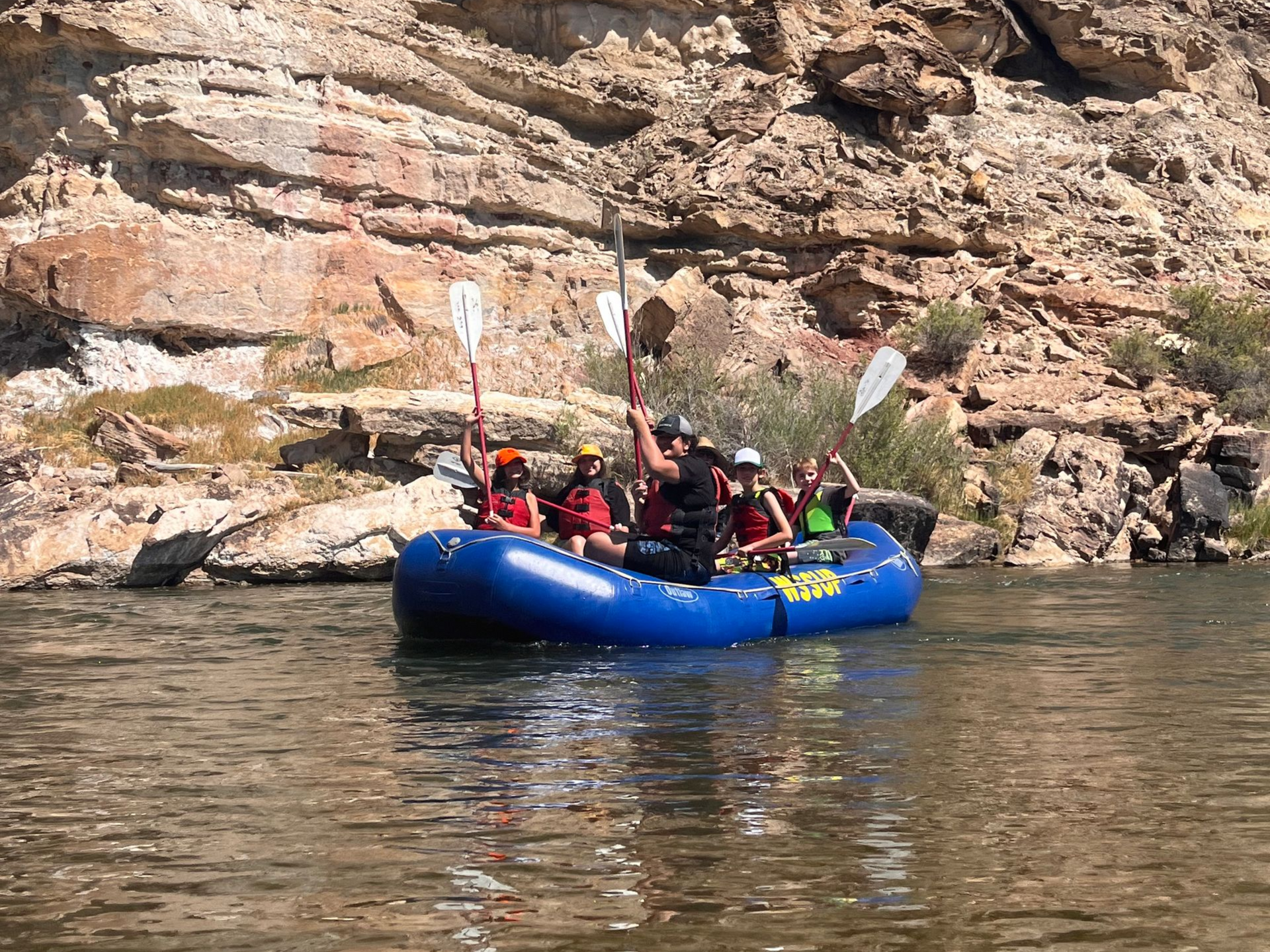
As David Attenborough, renowned natural historian, broadcaster and narrator of Planet Earth, famously said, “If children don't grow up knowing about nature and appreciating it, they will not understand it, and if they don't understand it, they won't protect it.” For many of us who dedicate our time to protecting and caring for the natural world, this sentiment hits close to home. A love for nature often begins with experience: exploring a river, spotting wildlife or discovering where the water flowing through our communities begins. These moments can shape how we see the world and inspire a lifelong desire to protect it. A river can flow just miles from home and still feel out of reach. For some youth in Western Colorado, the cost of transportation, outdoor equipment and organized activities, along with language barriers, can make it difficult to explore the waterways that sustain their communities. Friends of Youth and Nature's (FOYAN) Youth River Stewards project sets out to break down that barrier by giving young people opportunities to explore local waterways, learn where their water comes from and experience the outdoors firsthand, building a lasting connection to the natural world. Forever Our Rivers is proud to support this work because protecting healthy rivers doesn't mean just restoring rivers; it means investing in the people who will care for them years down the road.
Forever Our Rivers 1% for the Planet Impact Partner
October 12, 2026
Forever Our Rivers has joined 1% for the Planet as an Impact Partner. Learn more about the organization and what that means for our impact.
September 3, 2026
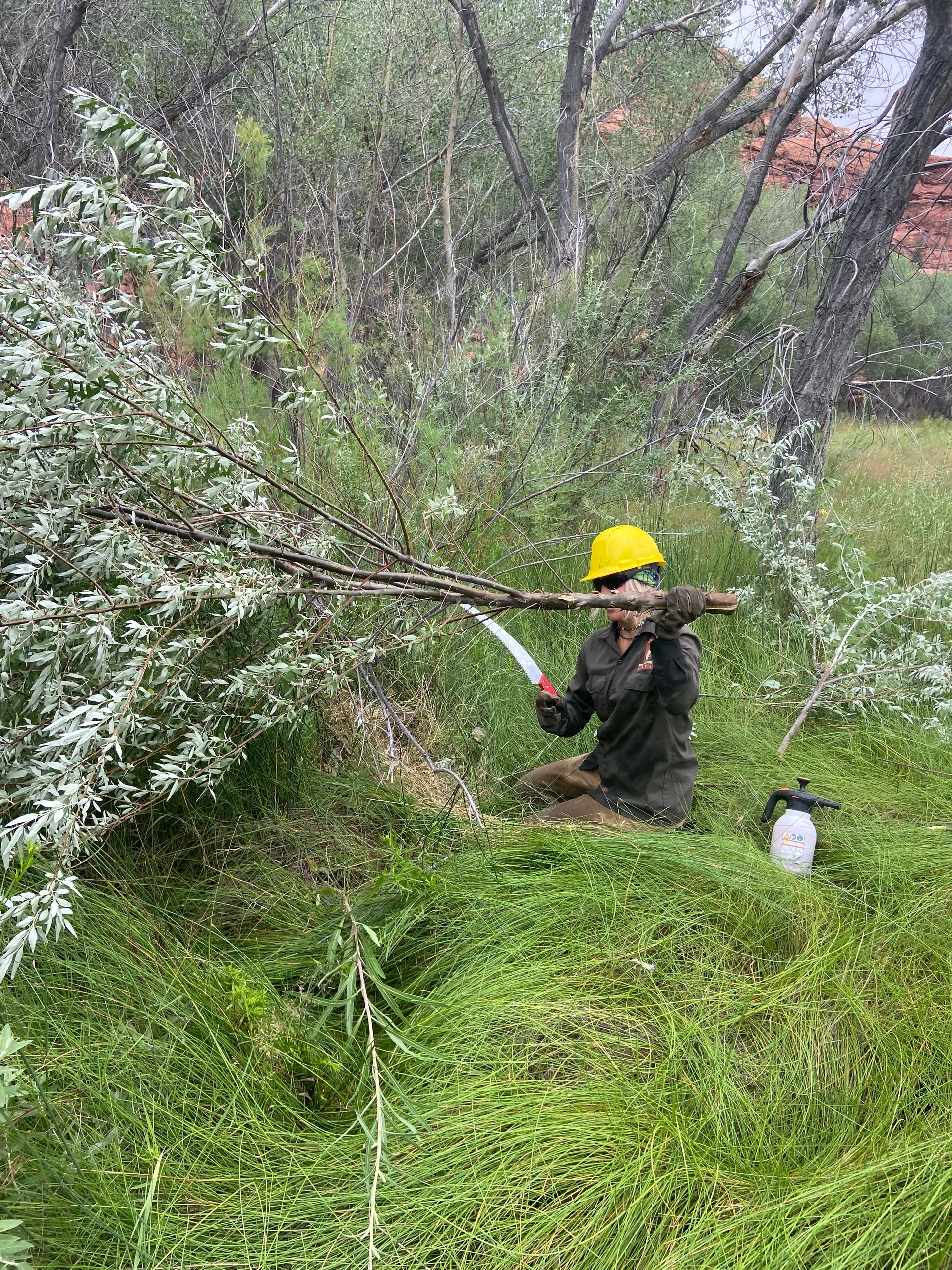
Discover how invasive Russian olive trees threaten Utah’s Escalante River and how restoration efforts are bringing back native plants, wildlife habitat and a healthier watershed.
Little Salt Film
August 17, 2026
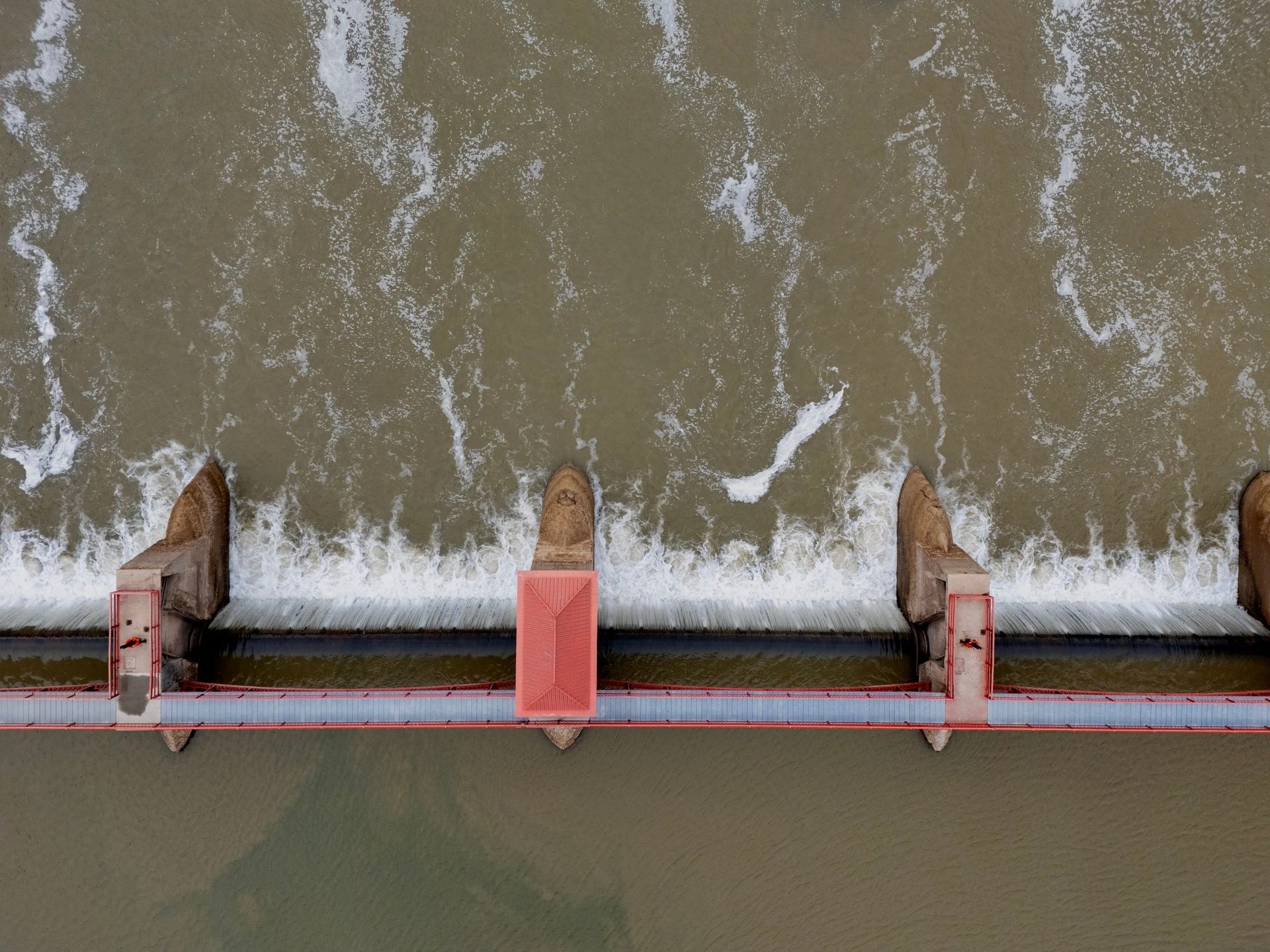
The Colorado River Basin touches millions of lives, yet few people understand just how connected we are to its future.
July 14, 2026
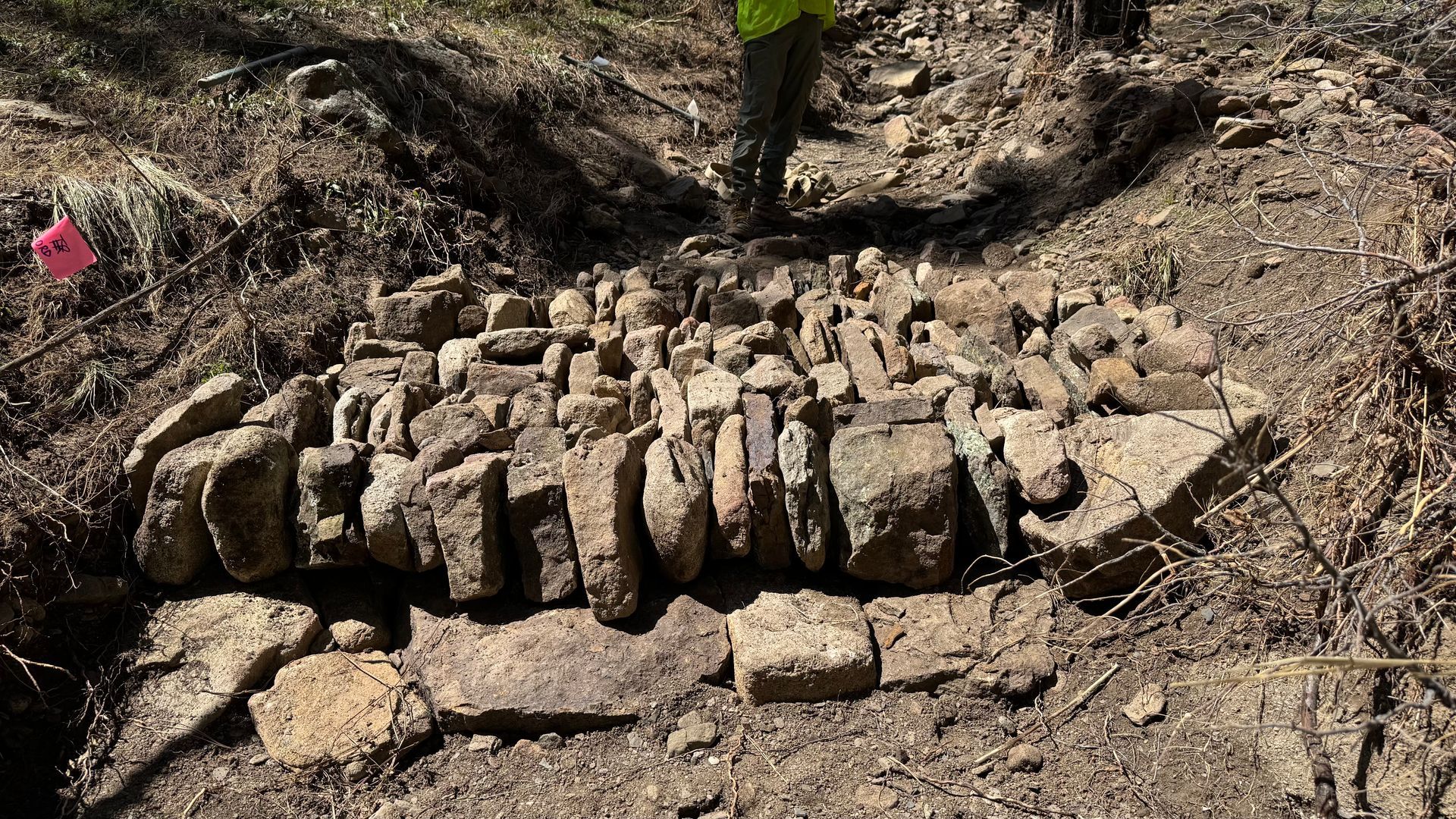
Every stream tells the story of the landscape around it. Some tell stories of abundance. Others tell stories of change.
June 11, 2026
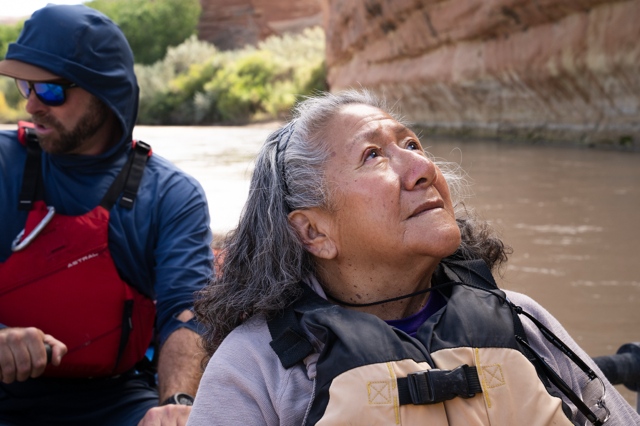
No river flows in isolation. From the smallest tributary to the powerful sweep of the Colorado River, every waterway is part of a complex and deeply connected system shared not only by wildlife, but also the farmers, ranchers, recreationists and communities who rely on them for drinking water, food, serenity and livelihood. That’s why Forever Our Rivers supports the Little Salt Film project. The Little Salt film explores the tangled threads of the Colorado River. The film begins with three amateur adventurers attempting to kayak a tiny tributary in Fruita, Colorado. But what starts as a backyard paddle quickly transforms into an unexpected exploration of the questions that shape water in the West: Where does our water come from? Who decides what happens to it? And what does the future hold?