A forthcoming documentary film from a Fruita, Colorado-based film crew embodies this message through the stories of farmers, ranchers, recreationists, and others who are among the 40 million who depend on the Colorado River basin.
"Our goal is to educate and inspire people to care about water issues in their own backyard and to be collaborative,” says Ash Bernal, the film’s director and one of its masterminds. “When we start to have conversations with each other, we can bring a level of understanding that's much more comprehensive—because when you actually talk to people, we pretty much all want the same thing.”
A backyard paddle uncovers a basin-wide crisis
Three years ago, outdoor photographer Anne Keller, known for co-founding Fruita restaurant
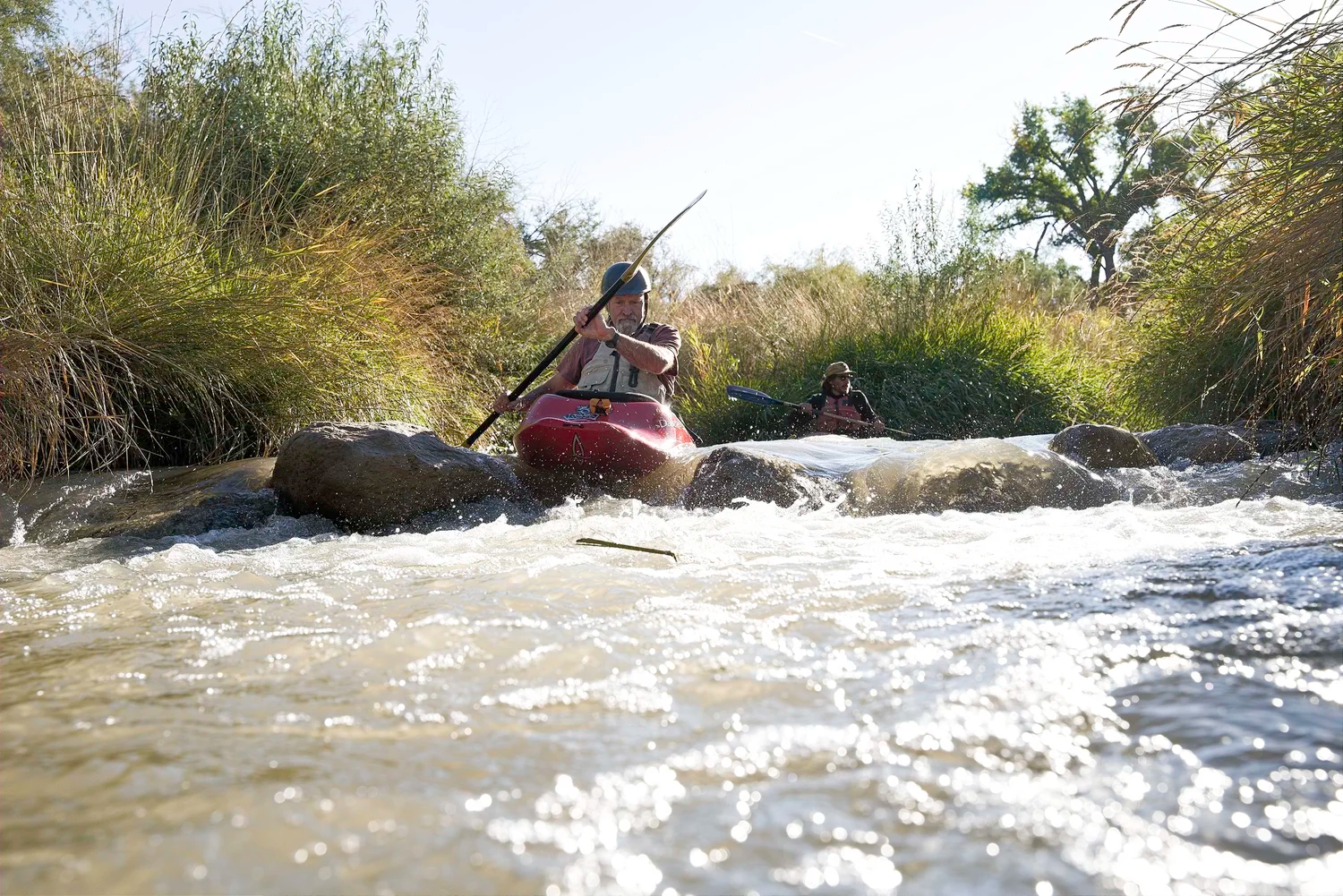
The Hot Tomato, and cinematographer Cullen Purser approached local director Ash Bernal with a lighthearted idea: shoot a fun short film capturing the "first descent" of Little Salt Wash, a scrappy, ditch-sized drainage running through Fruita that carries agricultural return flow back to the mainstem of the Colorado River.
So the team set out in kayaks. They scraped across gravelly shallows to a muddy delta choked with tamarisk, concrete, and the occasional old tire. But along the way, a simple question surfaced: Where does this water actually come from, and who controls where it goes?
"We were going to make a silly short of the first descent of the Little Salt Wash," recalls Bernal.
When they started pulling back the threads and trying to see, 'Where does this water actually come from?' they realized the film could tell a story of how complex water is in the high desert of Western Colorado.
Bernal, who grew up on a farm and ranch in Mesa County, recognized that what felt like a local backyard trip was actually the headwater thread of a massive regional story.
"People don't usually care about climate issues until they're in their backyard," Bernal explains. "We started in Colorado, we started in our backyard.”
Telling the story of those who depend on the Colorado
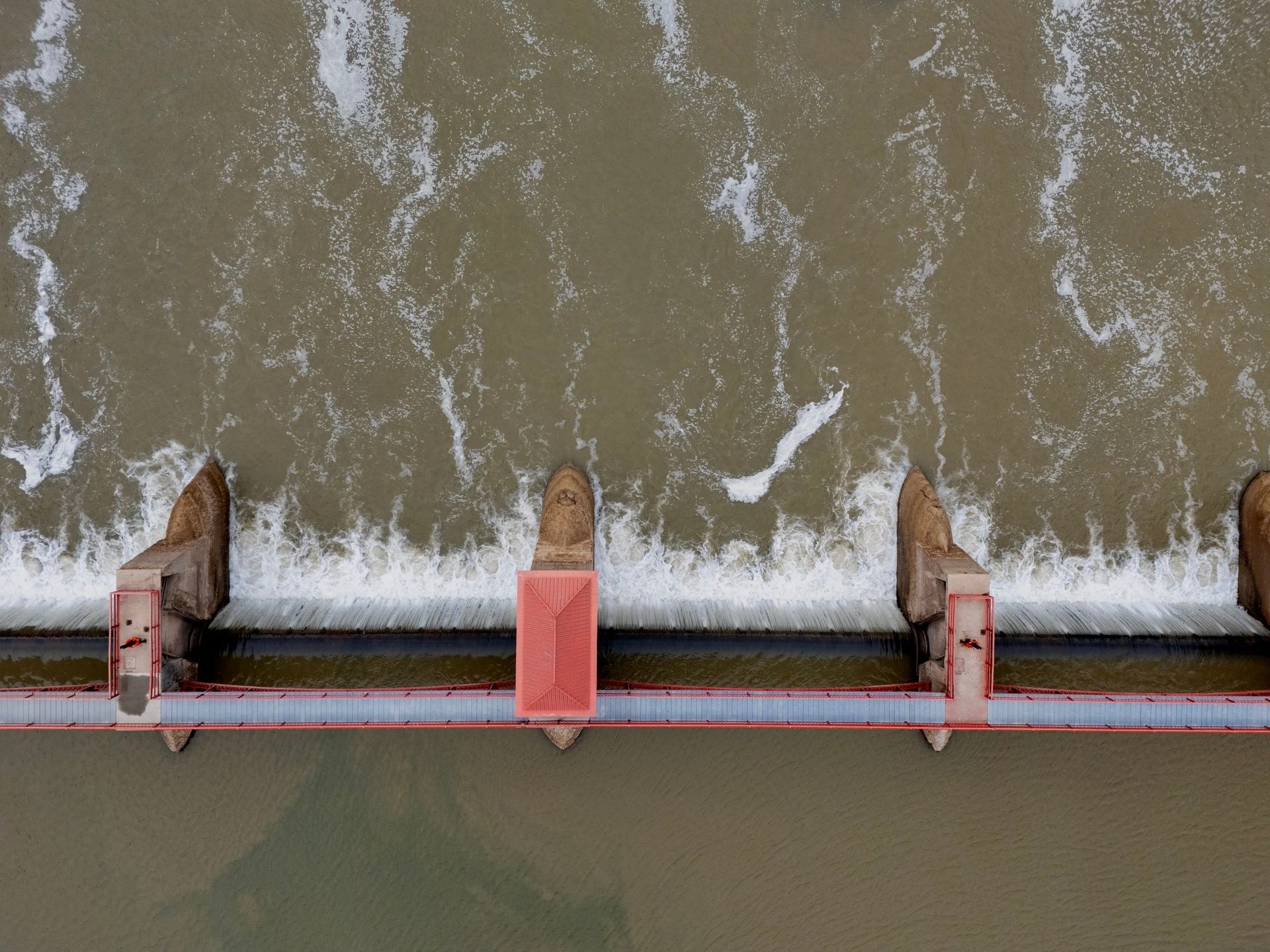
The Colorado River is the subject of intense debate among the seven states in its basin, none of whom can agree on how to cut back water use to preserve what is increasingly a dwindling resource. The story has garnered national news, with the federal government this year stepping in to assert its direction. Some of the states, of course, are pushing back.
"CBS News, all these different articles, the New York Times, were representing this story that there are villains and there are heroes," Bernal says. "We just weren't interested in promoting a narrative like that. Instead, the more we talked to people, we realized how similar their values are.”
Little Salt introduces viewers to a rich, diverse cross-section of basin residents. These include:
Troy Waters, who is a fifth-generation Fruita farmer. After his son CW left for a career in Denver, Troy faced the daunting reality of running the farm alone, simultaneously combatting grown and water issues to advocate for the future of agriculture in the Grand Valley.- Simon Martinez, who manages the Ute Mountain Ute Farm and Ranch operation. Under a 1988 settlement, the tribe holds junior water rights on the Dolores River and receives as little as 15% of their water allocation during severe drought years, yet is still billed for 100% of the delivery infrastructure costs.
- Teal Lehto (Western Water Girl), a young activist using social media to bring attention to complex water policies. Her goal is to educate and empower the younger generations who will inherit the basin's challenges.
- Becky Mitchell, Colorado's commissioner on the Colorado River Basin and a hydrologist navigating high-stakes inter-state negotiations.
- James Eklund, a water attorney and former director of the Colorado Water Conservation Board whose great-great-grandfather dug one of the early irrigation ditches near Collbran.
- Eric Kuhn, former general manager of the Colorado River Water Conservation District and co-author of Science Be Dammed, providing institutional insight into the history of basin agreements.
When thinking about the Colorado River, "I don't think about the statistics. I forget about the numbers," says Bernal. "What I remember are the individuals that I've spoken to, their fears for the future and what their hopes are for the future."
Forever Our Rivers steps in
Forever Our Rivers joined the Little Salt film project early on as a key partner and is the film’s
fiscal sponsor.
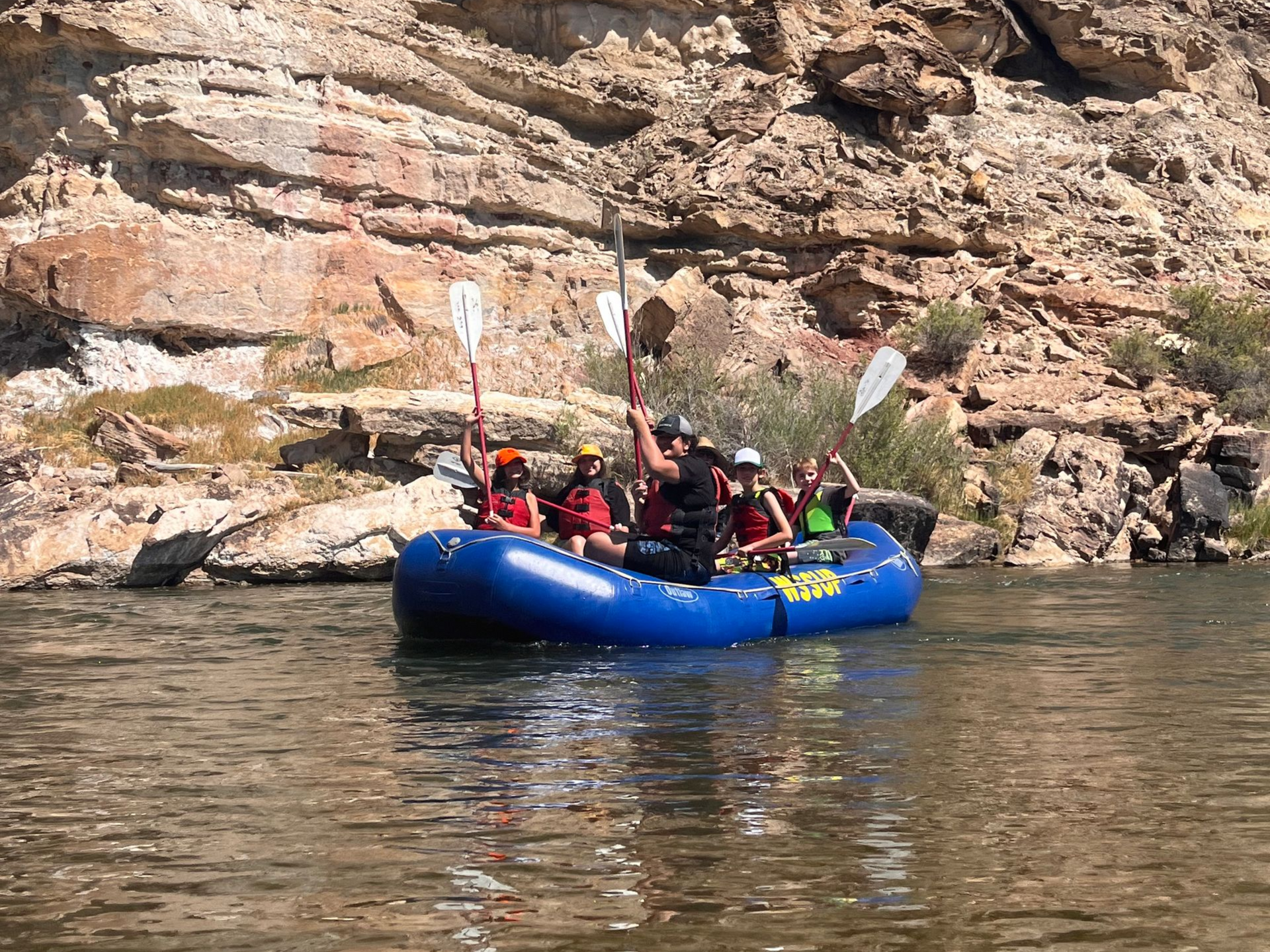
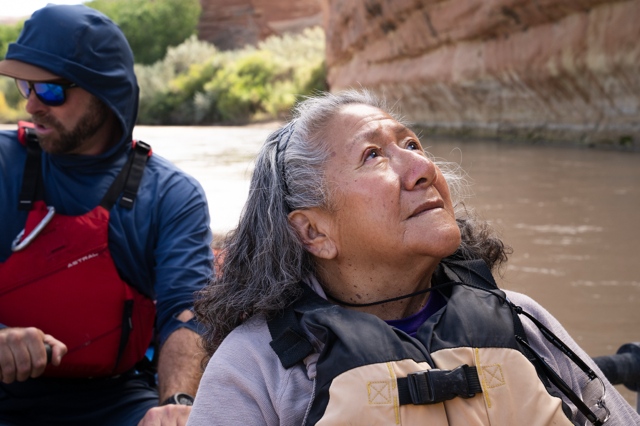
Through this partnership, we look forward to showcasing the diverse stories of water users on Colorado’s Western Slope. One of our favorite memories from the partnership was helping bring the San Juan River trip to life, floating alongside Ute Mountain Ute elders to capture vital Indigenous perspectives, histories, and cultural connections to the watershed.
"Forever Our Rivers came in pretty early on," Bernal says. "They've been a really incredible partner in that they've helped connect us to different resources and help us with grant writing. They were really excited about our idea to tell a story that was more collaborative and hopeful.”
Crossing the finish line
"It's a grassroots effort," says Bernal. It has taken a village to get this far, and needs continued community support to get past the finish line.
The film is currently in post-production. An assembly editor is currently cutting footage as the team prepares for a target completion and festival premiere in Fall 2027, with plans to submit to prestigious festivals like Mountainfilm, Banff, and SXSW. Following its festival run, Little Salt will spearhead a basin-wide impact campaign featuring community screenings, educational workshops, and discussion materials for local water districts and classrooms.
With the 2026 renegotiations of the Colorado River Compact underway, the timing could not be more critical. But to complete editing, sound design, color grading, and distribution, the project needs community backing.
"Funding is what we need the most right now... to get across the finish line," explains Bernal. "Our goal is fall of 2027. We're just doing small little chunks of post-production,” but support is still needed from the community.
Join the movement: how you can help
Little Salt reminds us that water is not just a commodity—it is the thread connecting our food, our landscapes, our local economies, and our shared future. It takes a community to rally behind this story and make a lasting impact.
Here’s what you can do to support this story:
- Watch the trailer at
www.littlesalt.org and share the project.
- Make a tax-deductible donation. Every dollar directly funds post-production editing and outreach. You can make a one-time or recurring gift at
foreverourrivers.org/little-salt-film
- Sign up for the Forever Our Rivers Newsletter to receive ongoing updates on film screenings, river restoration projects, and conservation news across the Southwest.
The choices we make today will shape the future of the West. Together, we can ensure this vital story reaches communities across the Colorado River Basin, inspiring collaborative action and lasting resilience for everyone who depends on this vital river system.